Back
Listen to this bookSearchSwitch to dark theme
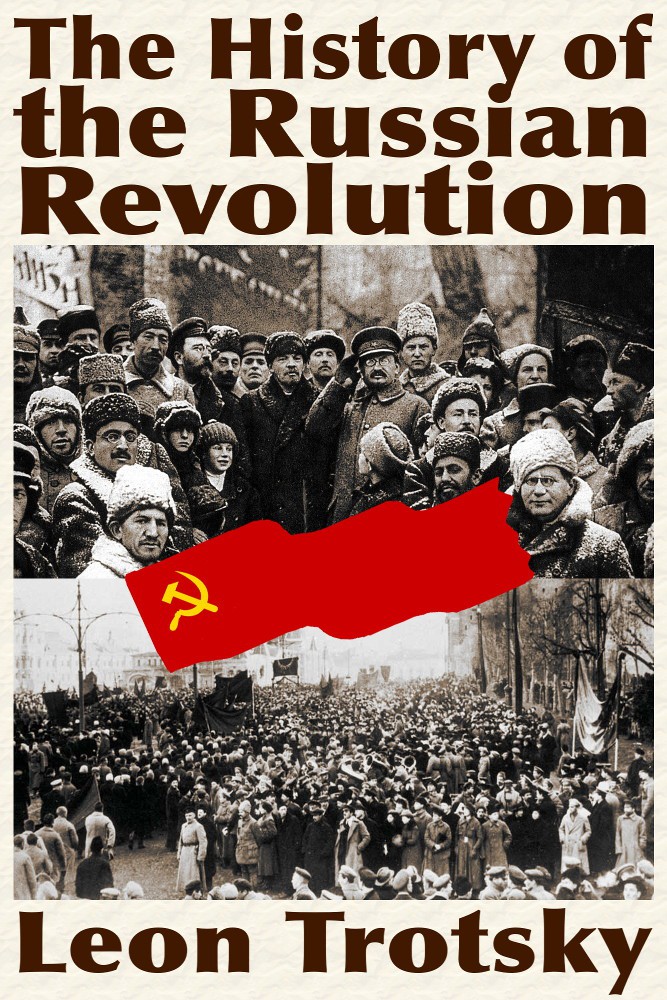
The History of the Russian Revolution
Leon Trotsky
0% complete
Close
Cover
Contents
Preface
Volume One: The Overthrow of Tzarism
1 Peculiarities of Russia’s Development
2 Tzarist Russia in the War
3 The proletariat and the Peasantry
4 The Tzar and Tzarina
5 The Idea of a Palace Revolution
6 The Death Agony of the Monarchy
7 Five Days
8 Who Led the February Insurrection?
9 The Paradox of the February Revolution
10 The New Power
11 Dual Power
12 The Executive Committee
13 The Army and the War
14 The Ruling Group and the War
15 The Bolsheviks and Lenin
16 Re-arming the Party
17 The April Days
18 The First Coalition
19 The Offensive
20 The Peasantry
21 Shifts in the Masses
22 The Soviet Congress and the June Demonstration
23 Conclusion
Chronological Table for Volume One
Appendix I
Appendix II
Appendix III
Volume Two: The Attempted Counter-Revolution
Introduction to Volumes Two and Three
24 The July Days: Preparation and Beginning
25 The July Days: Culmination and Rout
26 Could the Bolsheviks Have Seized the Power
27 The Month of the Great Slander
28 The Counter-Revolution Lifts Its Head
29 Kerensky and Kornilov
30 The State Conference in Moscow
31 Kerensky’s Plot
32 Kornilov’s Insurrection
33 The Bourgeoisie Measures Strength with the Democracy
34 The Masses Under Attack
35 The Rising Tide
36 The Bolsheviks and the Soviets
37 The Last Coalition
Volume Three: The Triumph Of The Soviets
38 The Peasantry Before October
39 The Problem of Nationalities
40 Withdrawal from the Pre-Parliament and Struggle for the Soviet Congress
41 The Military-Revolutionary Committee
42 Lenin Summons to Insurrection
43 The Art of Insurrection
44 The Conquest of the Capital
45 The Capture of the Winter Palace
46 The October Insurrection
47 The Congress of the Soviet Dictatorship
48 Conclusion
Note to the Appendices
Appendix I: Some Legends of the Bureaucracy
Appendix II: Socialism in a Separate Country
Appendix III: Historic References on the Theory of Permanent Revolution
Leon Trotsky
The History of the Russian Revolution