Back
Listen to this bookSearchSwitch to dark theme
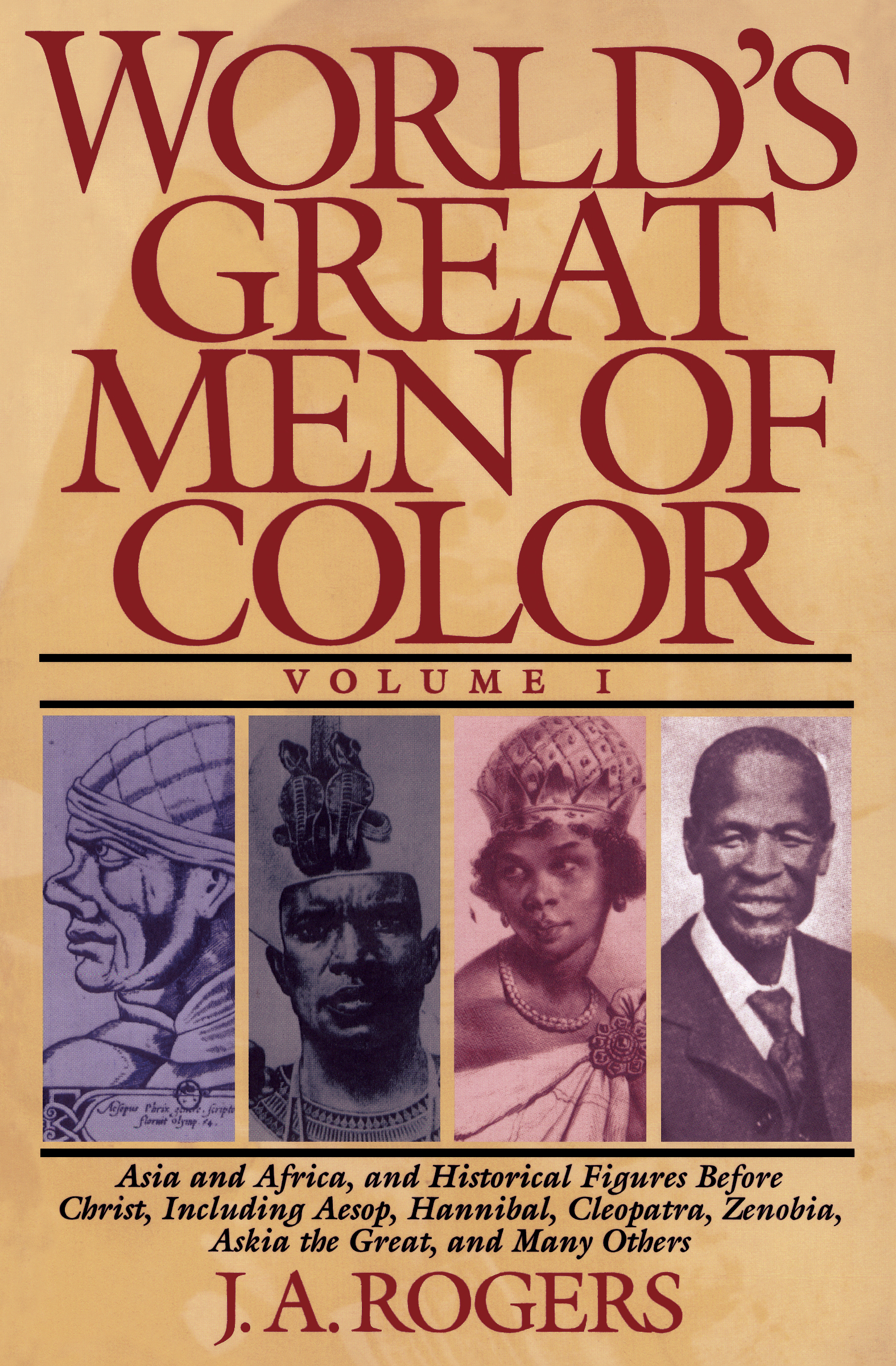
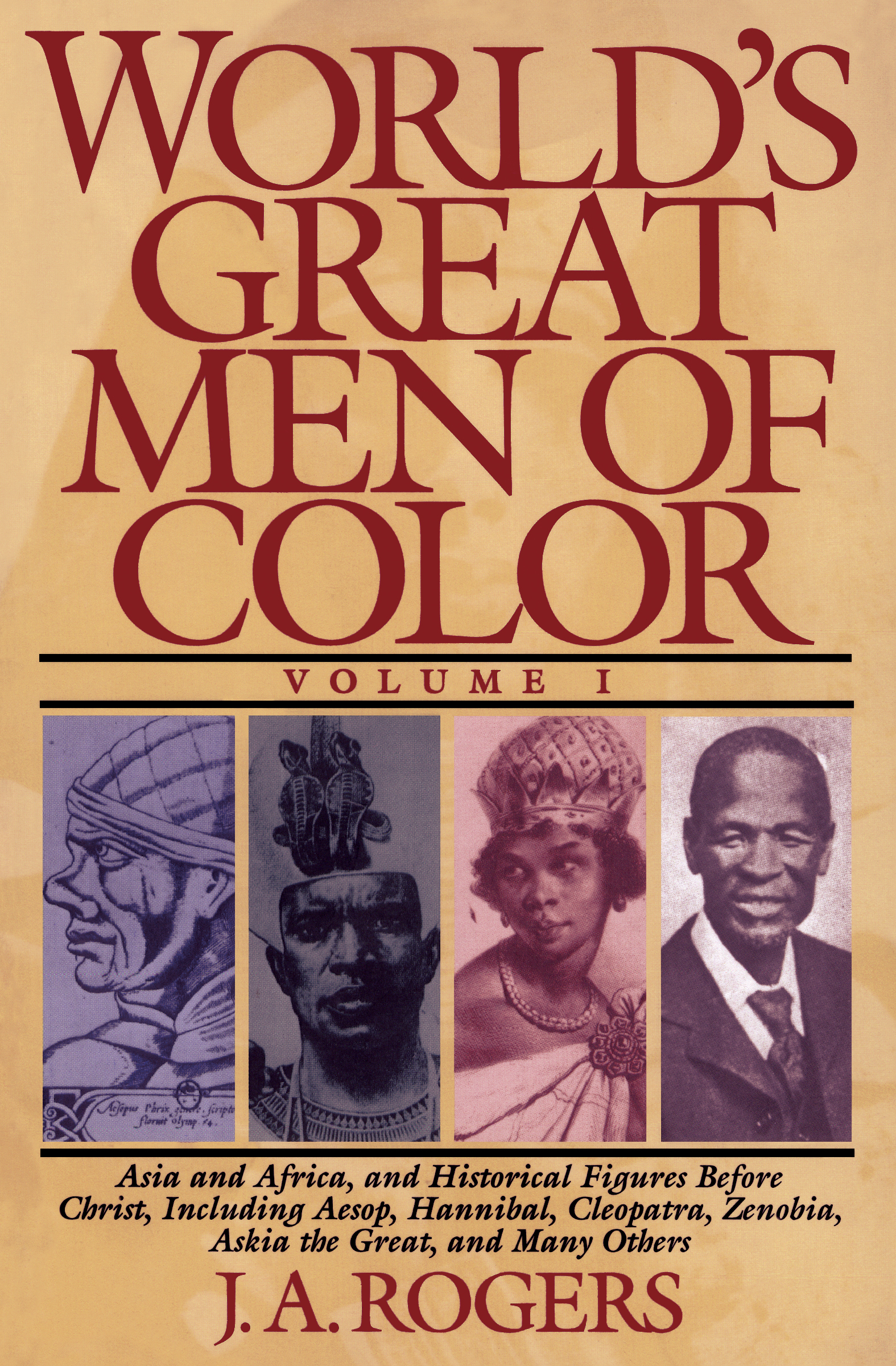
World's Great Men of Color, Volume I
J.A. Rogers
0% complete
Close
Cover
Title Page
Illustrations
Introduction by John Henrik Clarke
How and Why This Book Was Written
Part 1: CELEBRITIES BEFORE CHRIST
Chapter 1: Commentary and Notes on References
Chapter 2: Imhotep, God of Medicine, Prince of Peace, and the First Christ
Chapter 3: Hatshepsut, the Ablest Queen of Far Antiquity
Chapter 4: Thotmes III, the Napoleon of Far Antiquity
Chapter 5: Akhenaton, the First Messiah and Most Remarkable of the Pharaohs
Chapter 6: Lokman, First Great Fabulist and Wisest Man of the Ancient East
Chapter 7: Aesop, Inspirer of the World’s Greatest Minds
Chapter 8: Makeda, Queen of Sheba
Chapter 9: Piankhy, King of Ethiopia and Conqueror of Egypt
Chapter 10: Clitus, King of Bactria and Cavalry Leader of Alexander the Great
Chapter 11: Hannibal of Carthage, Father of Military Strategy
Chapter 12: Massinissa, King of Numidia and Arbiter of the Destiny of Two World Empires
Chapter 13: Terence, Foremost of the Latin Stylists and Great Humanitarian
Chapter 14: Cleopatra, Exemplar of Feminine Fascination Throughout the Ages
Part 2: ASIA
Chapter 15: Commentary and Notes on References
Chapter 6: Zenobia, Beautiful Warrior Queen of the East
Chapter 17: Antar, Poet, Soldier, and Great Chivalrous Figure of the East
Chapter 18: Bilal, the First Muezzin and Treasurer of Islam
Chapter 19: Ibrahim Al-Mahdi, Islam’s Greatest Songster and Caliph of Bagdad
Chapter 20: Al-Jahiz, Lord of the Golden Age of Arab Literature
Chapter 21: Malik Ambar, Brilliant Military Leader and Statesman of India
Chapter 22: Malik Andeel, Benevolent Sultan of Bengal, India
Chapter 23: Eugene Chen, China’s Dynamic Statesman
Chapter 24: Ibn-Saud, King of Saudi Arabia and Leader of Islam
Part 3: AFRICA
Chapter 25: Commentary and Notes on References
Chapter 26: Abraha, Emperor of Ethiopia Whose Adoption of Christianity Changed the Face of the World
Chapter 27: Abraha Al-Arsham, Emperor of Yemen and Ethiopia Who Started a Thousand Years’ World War
Chapter 28: Kafur the Magnificent, Eunuch and Ex-Slave Who Became Lord of Egypt
Chapter 29: Yusuf I, Sultan of Africa and Conqueror of the Champions of Christendom
Chapter 30: Yakub Al-Mansur, Greatest of the Moorish Rulers of Spain
Chapter 31: Abu Hassan Ali, “The Black Sultan” of Morocco
Chapter 32: Sonni Ali, Founder of the Empire of Timbuctoo
Chapter 33: Askia the Great, Builder of the Empire of Timbuctoo
Chapter 34: Ann Zingha, Amazon Queen of Matamba, West Africa
Chapter 35: Osei Tutu, Founder of the Ashanti Nation
Chapter 36: Mulai Ismael, Most Extraordinary Ruler of the Eighteenth Century
Chapter 37: Chaka, Mighty Zulu Conqueror and Despot
Chapter 38: Moshesh, Basuto King, Warrior, and Statesman
Chapter 39: Cetewayo, Zulu King Who Defeated a British Army and Killed the Prince Napoleon
Chapter 40: Mohammed Ahmed—the Mahdi, Conqueror of the Great English General Gordon
Chapter 41: Paul Belloni Du Chaillu, Explorer of Africa and Beloved Storyteller
Chapter 42: Tippoo Tib, Trailblazer for the Great Explorers of Africa
Chapter 43: Behanzin Hossu Bowelle—“The King Shark,” African Poet-King Who Defeated France from His Throne of Gold
Chapter 44: Samuel Adjai Crowther, Explorer, African Educator, and Bishop of the British Realm
Chapter 45: Samory, “The Napoleon of the Sudan”
Chapter 46: Rabah Zobeir, Africa’s Warlike Champion Against European Domination
Chapter 47: Bu-Ahmed, Iron Chancellor of Morocco
Chapter 48: Bambaata, Gallant African Chief Who Defied the White Rulers of South Africa
Chapter 49: Menelik II, “King of Kings, Ever Victorious Lion of Judah”
Chapter 50: Khama, the Good King of Bechuanaland
Chapter 51: Alfred A. Dodds, French General and Empire Builder
Chapter 52: Prempeh of the Golden Stool, King of the Ashanti
Chapter 53: Glaoui Pasha, “The Black Panther” of Morocco
Chapter 54: Isaac Wallace-Johnson, Africa’s Indomitable Labor Leader
Chapter 55: Haile Selassie, Ethiopia’s Dauntless Emperor
Footnotes
Note 1
Note 2
Note 3
Note 4
Note 5
Note 6
Note 7
Note 8
Note 9
Note 10
Note 11
Note 12
Note 13
Note 14
Note 15
Note 16
Note 17
Note 18
Copyright
J.A. Rogers
World's Great Men of Color, Volume I