
Black studies books: the essential reading list
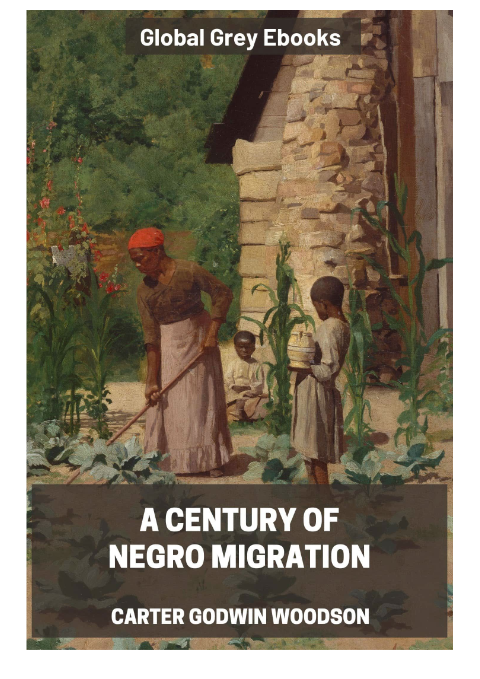
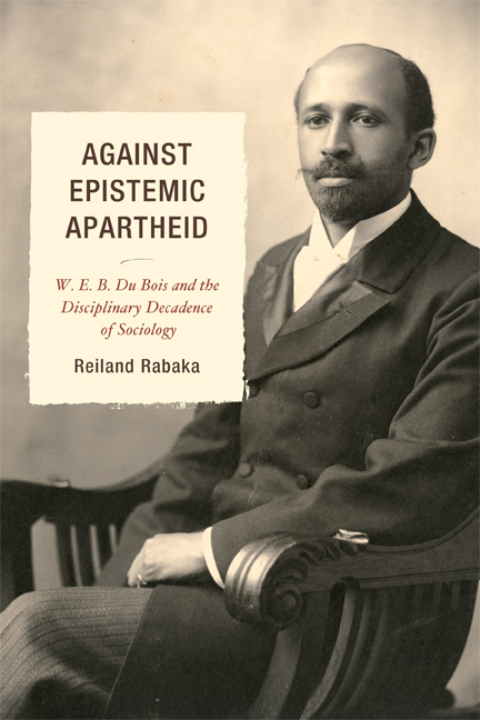
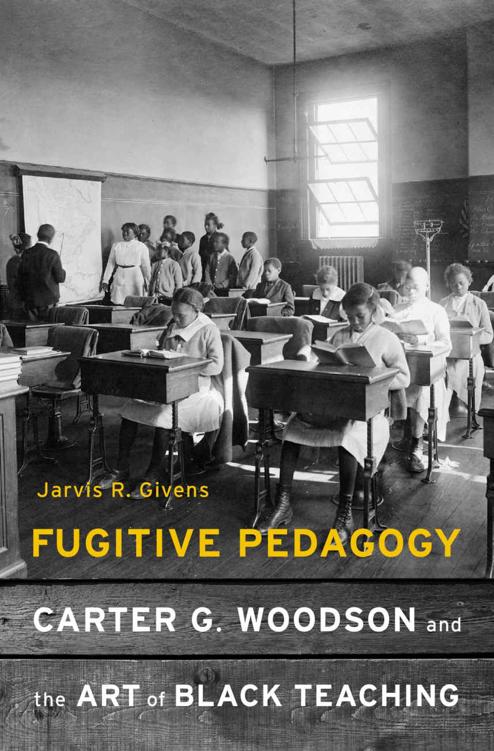
Black studies is the study of the lives, histories and ideas of African people and the African diaspora, done from their own point of view rather than as objects of someone else's scholarship. Its roots go back to Du Bois, Carter G. Woodson and the Africa-centred historians, but it became a university discipline through struggle: the first Black studies department in the United States was created at San Francisco State in 1968, with the sociologist Nathan Hare at its head, and students struck for months that winter to defend and widen it.
It matters because it changed the questions. Black studies asked why slavery and race sit at the heart of modern capitalism, how the colonised mind is made and unmade, what Black women know that both feminism and nationalism missed, and what connects Brazil, the Caribbean, South Africa and the United States.
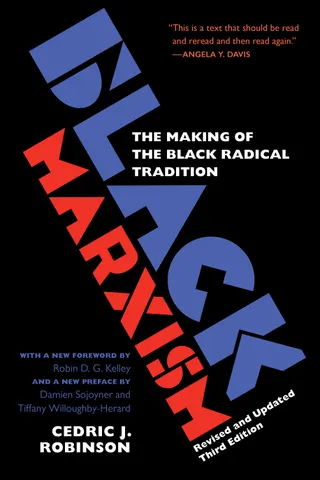
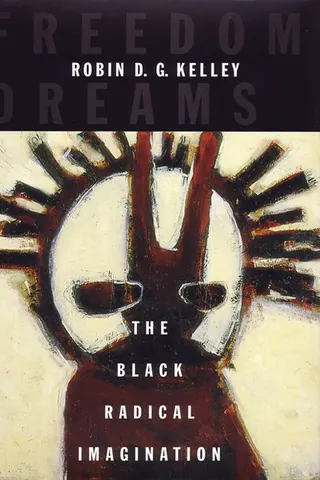
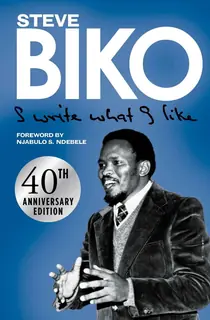
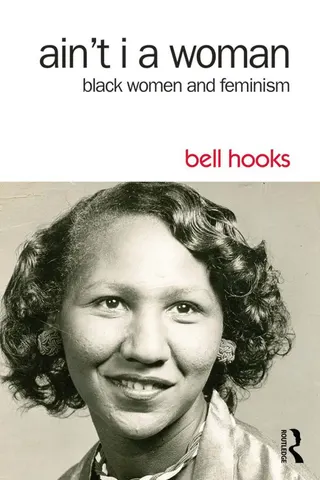
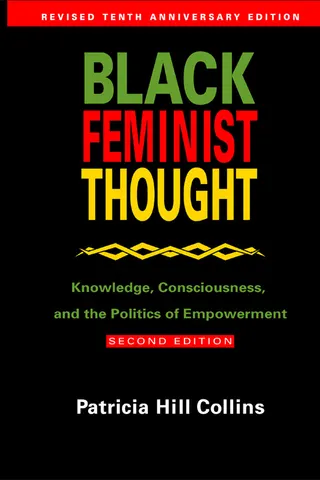
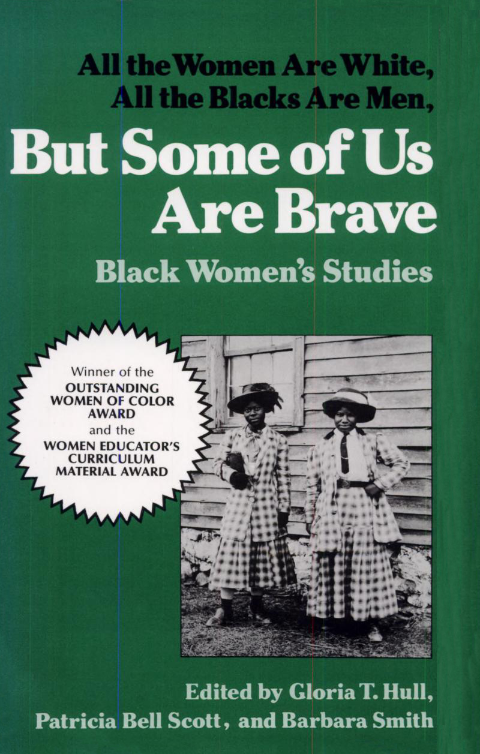
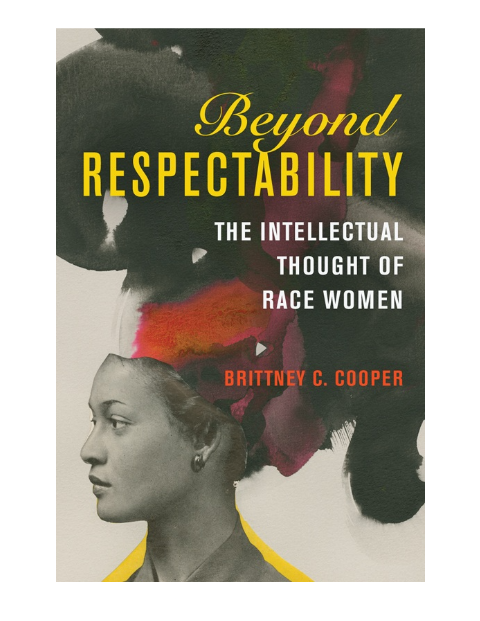
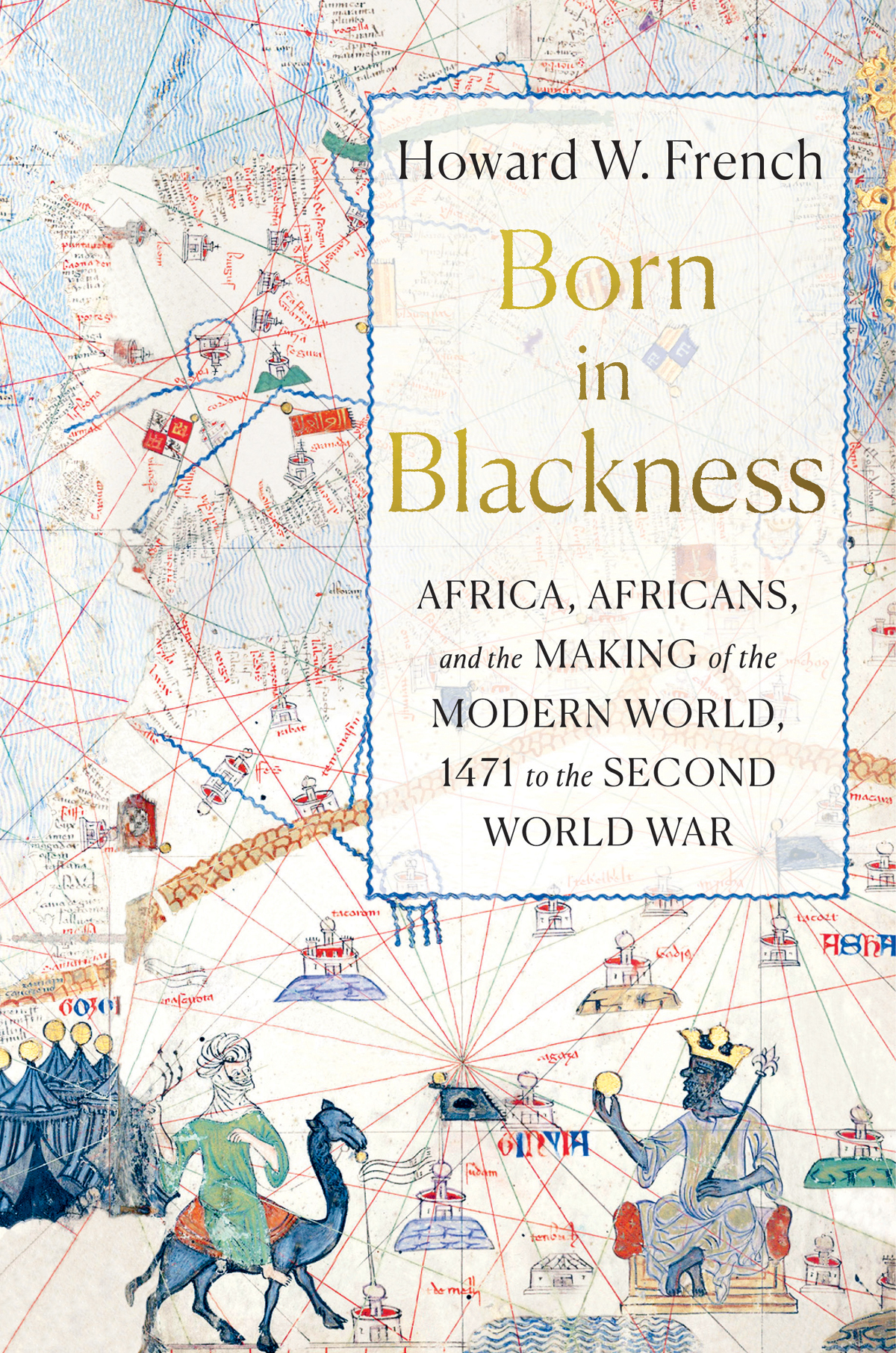
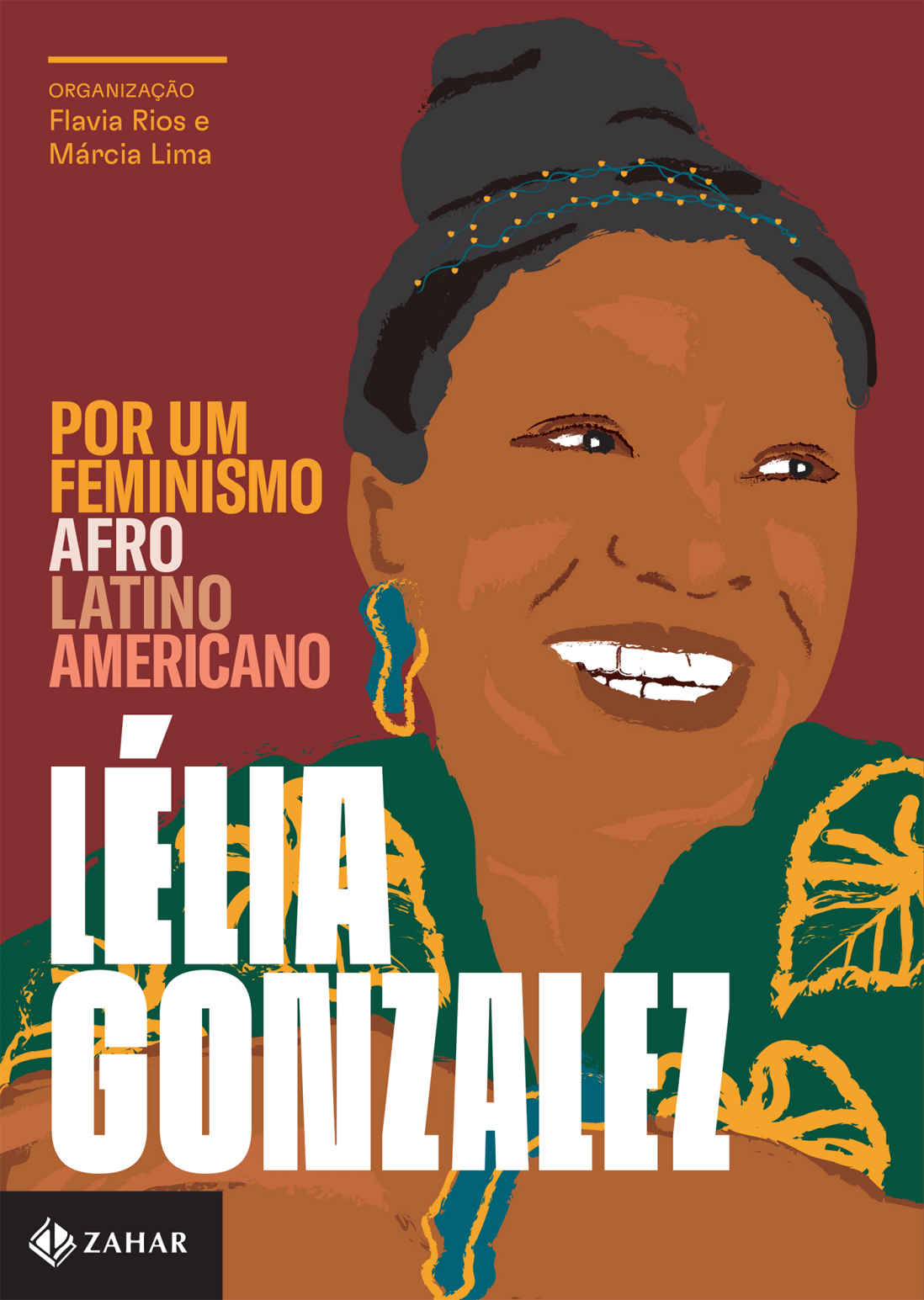
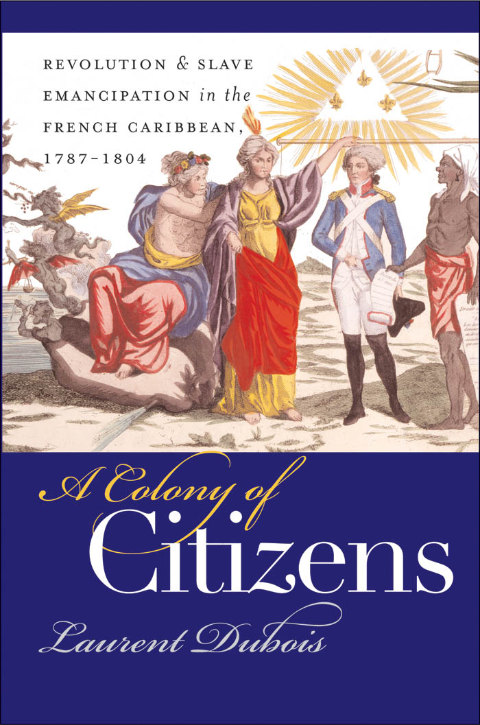
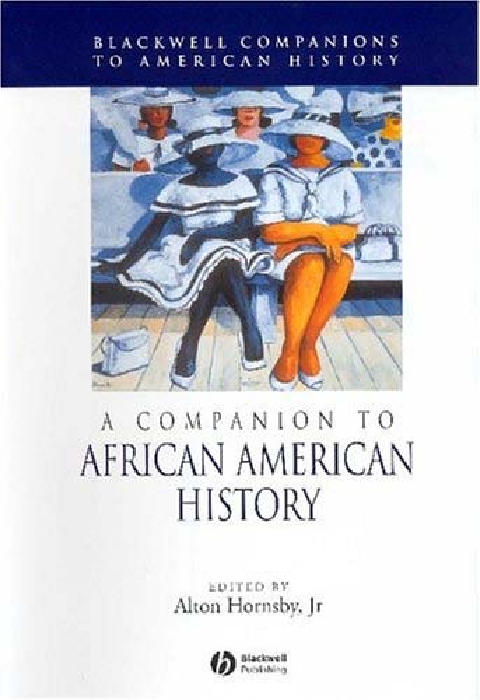
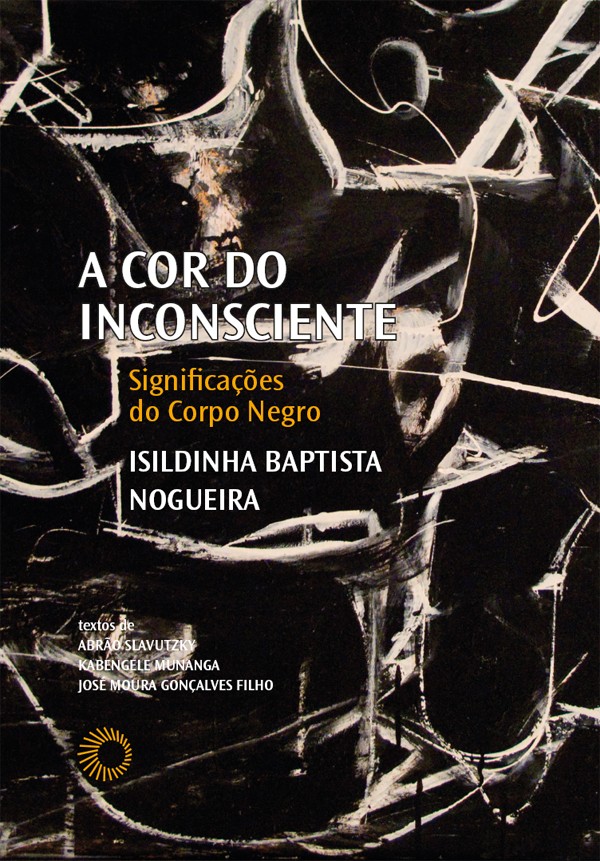
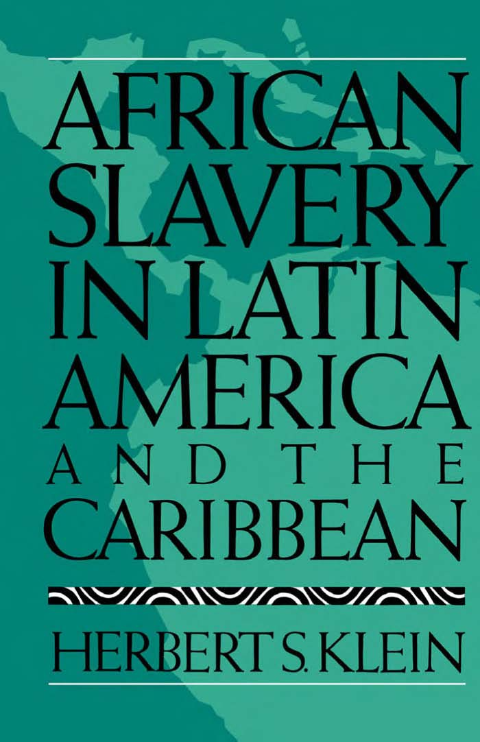
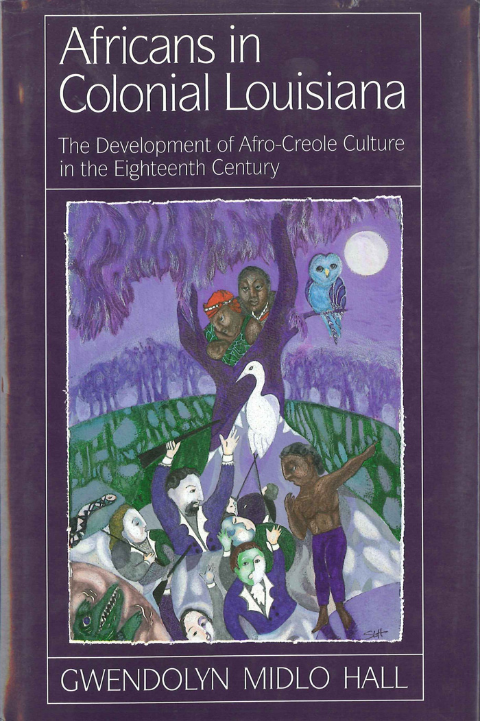
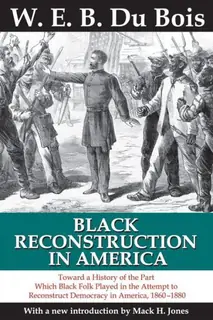
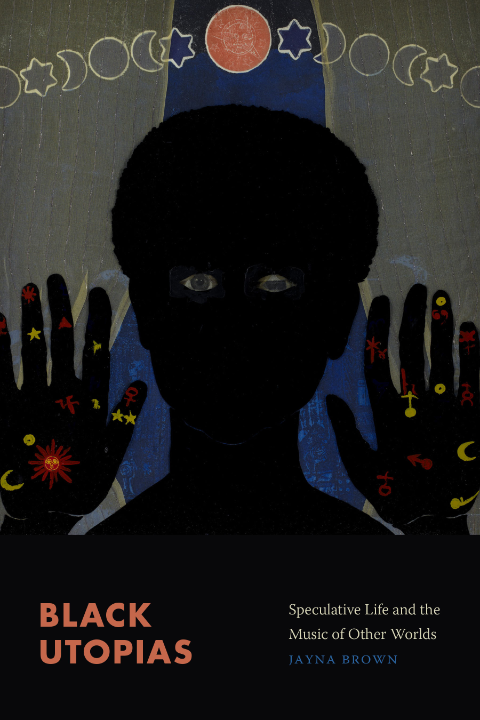
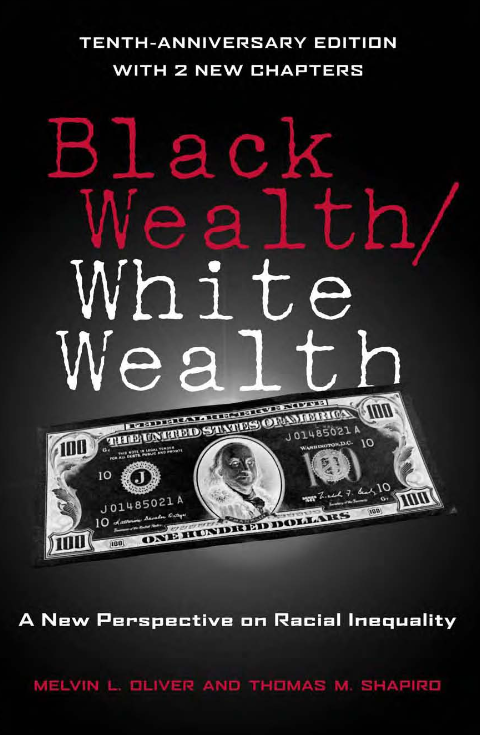
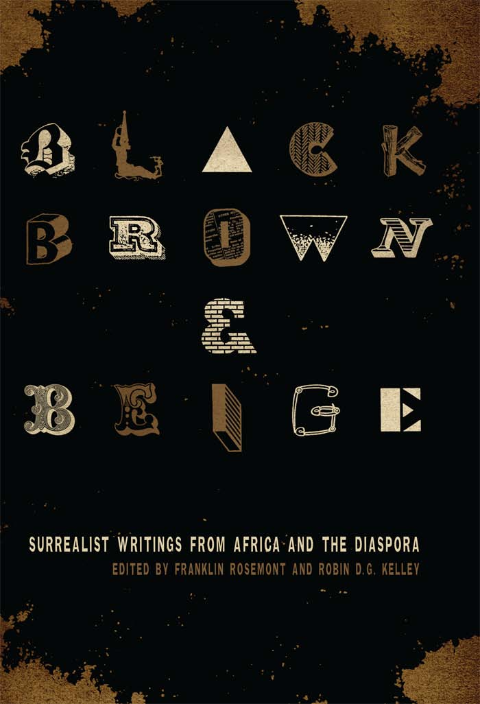
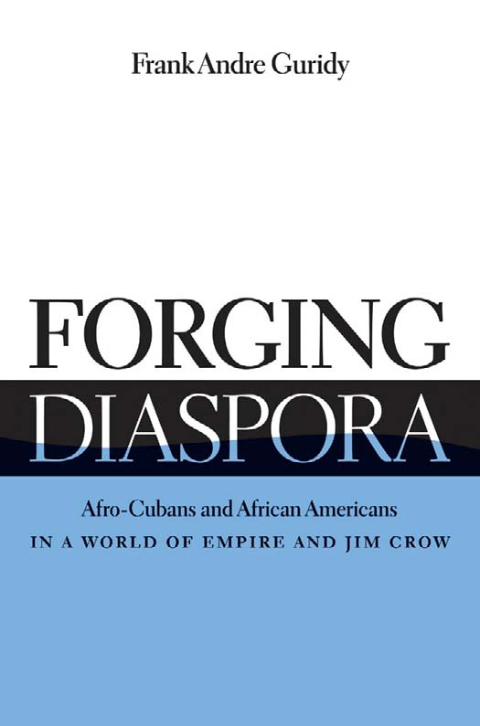
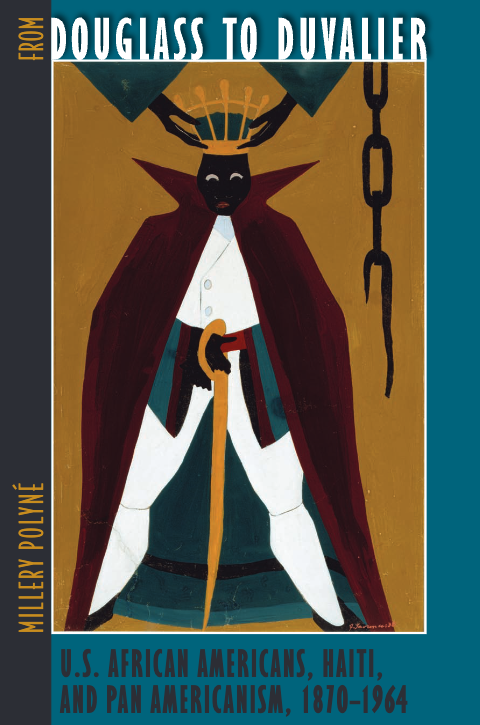
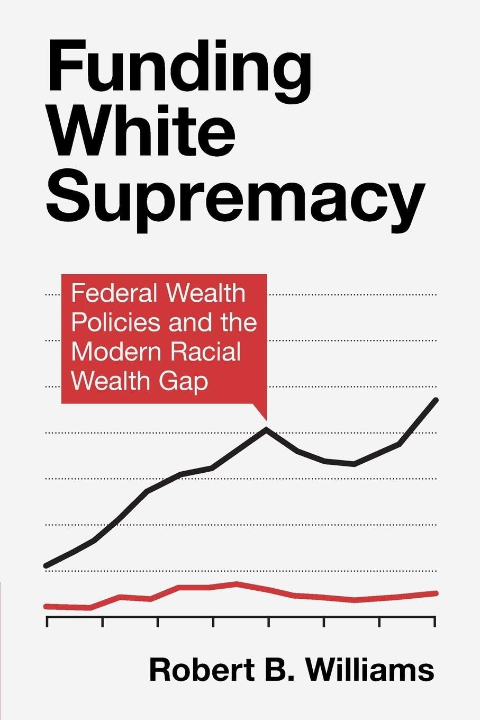
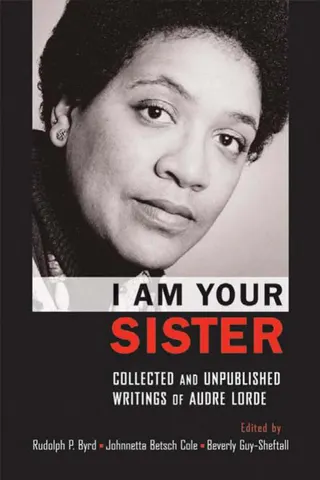
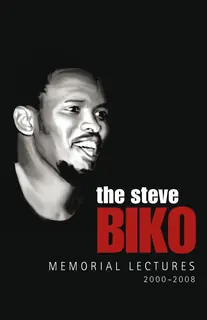
This path starts with the foundations: the historians who put Africa and slavery back at the centre of world history. The second stage gathers the Black radical tradition, from Cedric Robinson's idea of racial capitalism to Steve Biko's Black Consciousness and James Cone's theology of liberation. The third is Black feminist thought, the field's most influential contribution to how we think about power. The last stage widens to the whole diaspora, from the Door of No Return to Lélia Gonzalez's Afro-Latin America and today's argument over reparations.