

Afro-Brazilian thought: books by Black Brazilian thinkers and writers
Afro-Brazilian thought is the work of Black Brazilian intellectuals, activists and writers who have analysed race, slavery and resistance in the country that received more enslaved Africans than any other, around 4.9 million, and was the last in the Americas to abolish slavery, on 13 May 1888. Today more than half of Brazilians identify as Black or brown, yet for most of the twentieth century the official story was that Brazil was a 'racial democracy' where race did not matter.
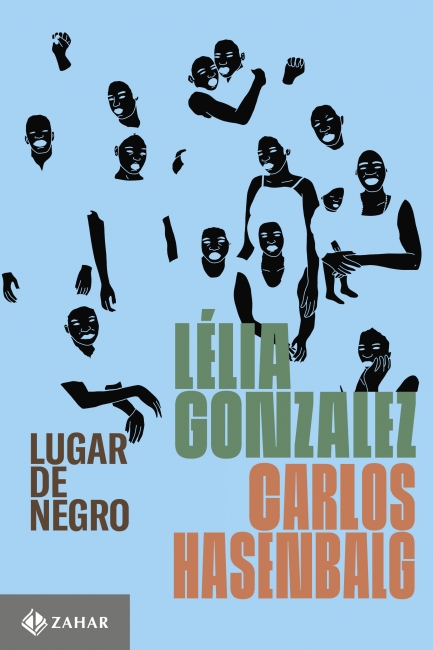
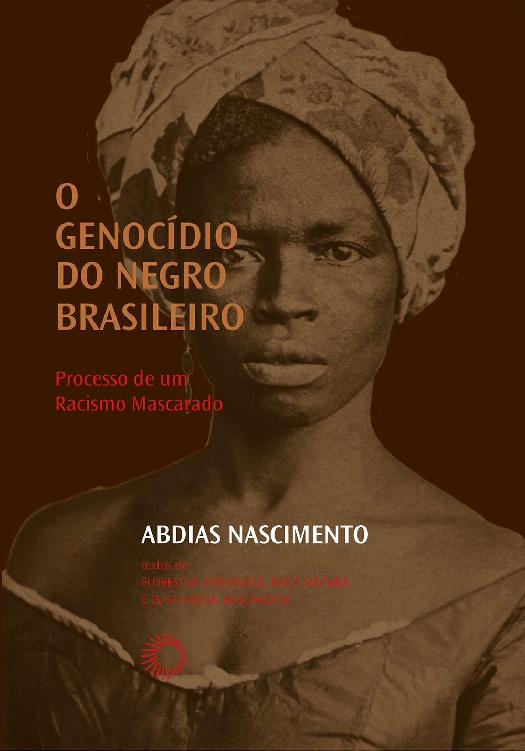
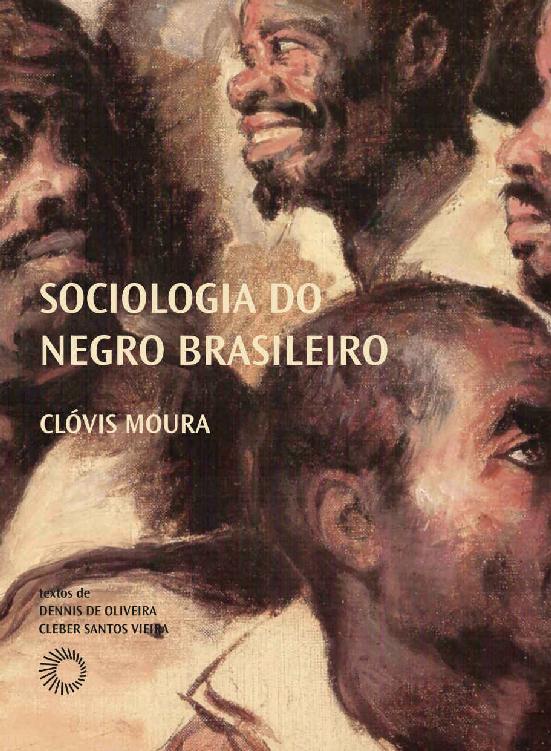
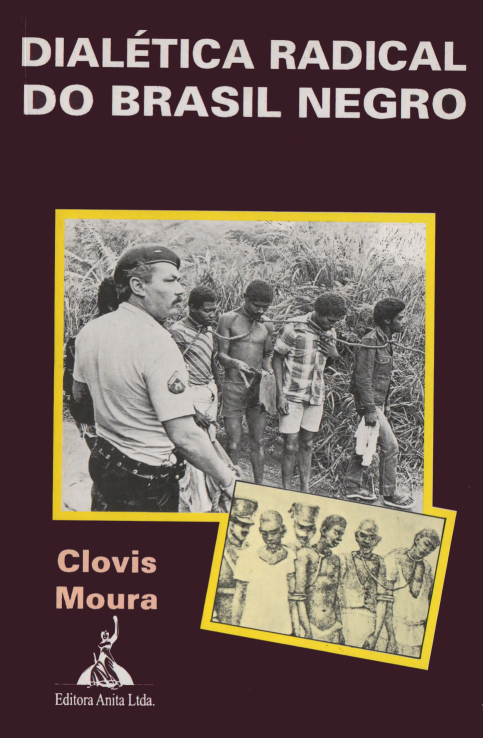
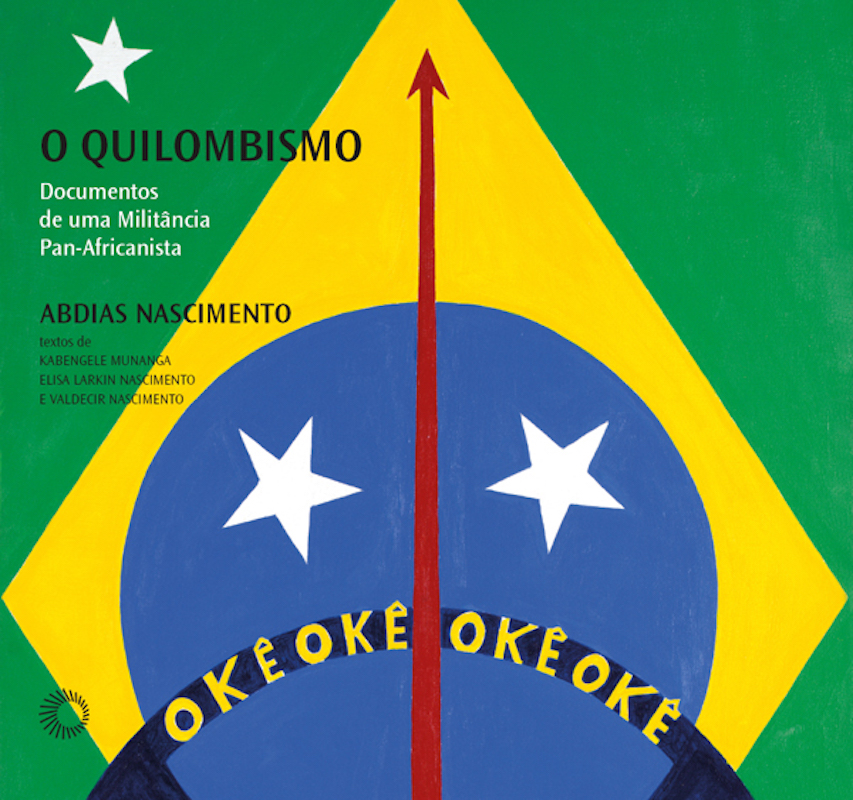
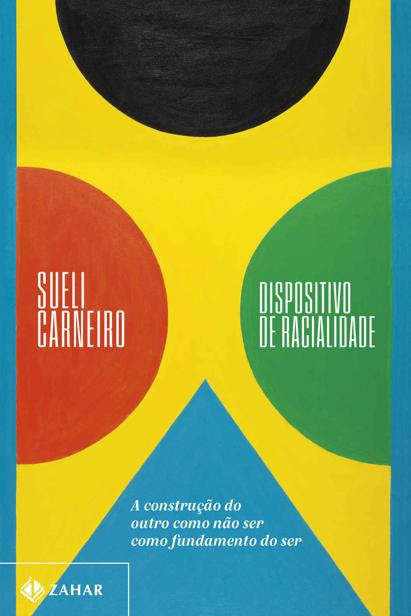
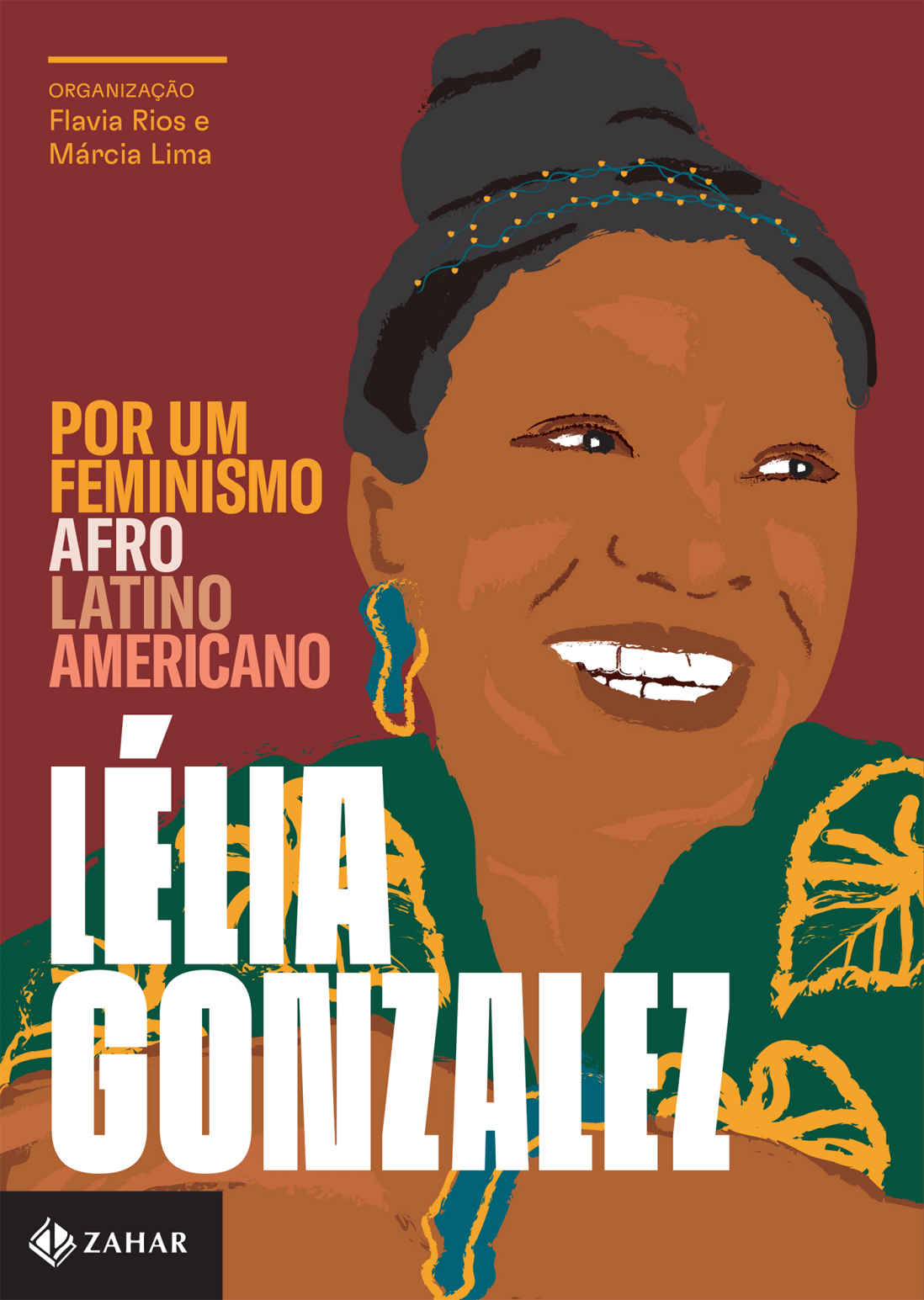
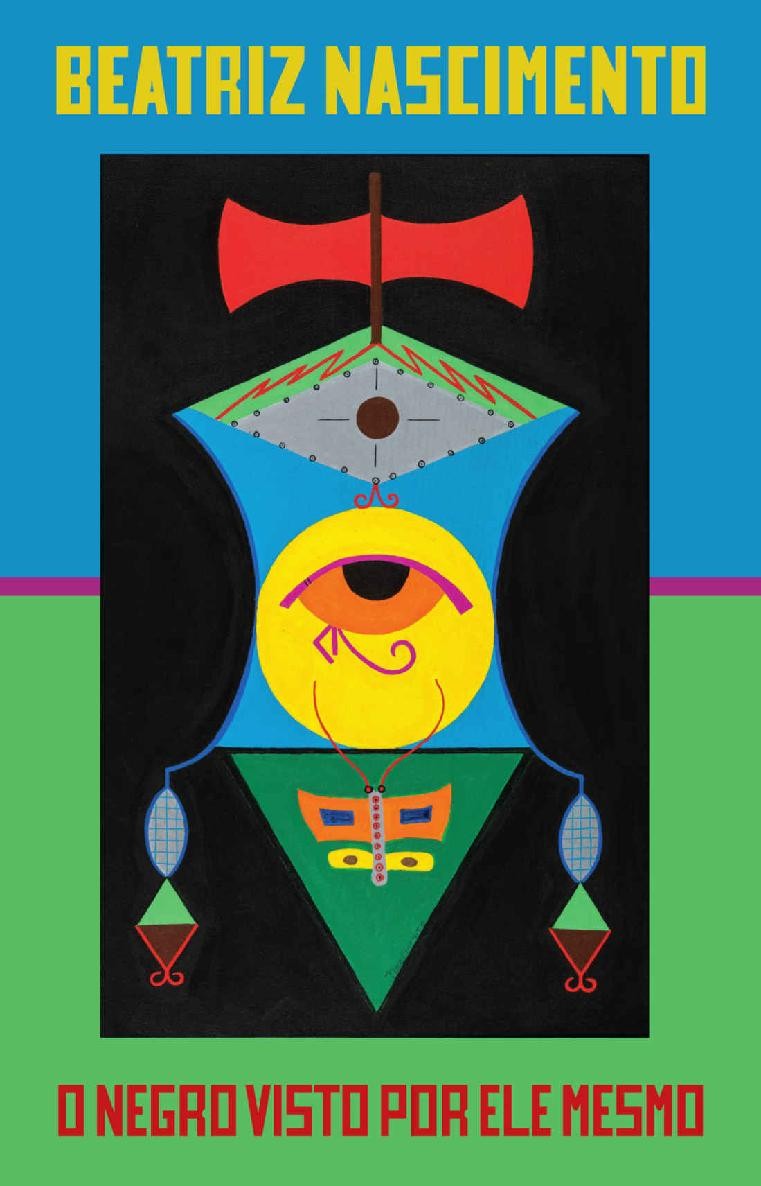
These thinkers took that myth apart. Abdias Nascimento called the treatment of Black Brazilians a genocide; Clóvis Moura rewrote Brazilian history around quilombos and slave revolts; Lélia Gonzalez coined 'amefricanidade' to name a shared Black culture across the Americas; Beatriz Nascimento made the quilombo a symbol of Black freedom and space; Sueli Carneiro and Cida Bento analysed how whiteness protects its privileges. Their ideas fed the Unified Black Movement founded in 1978 and the struggles for quotas and land rights that followed, and they speak directly to Africa and the wider diaspora.
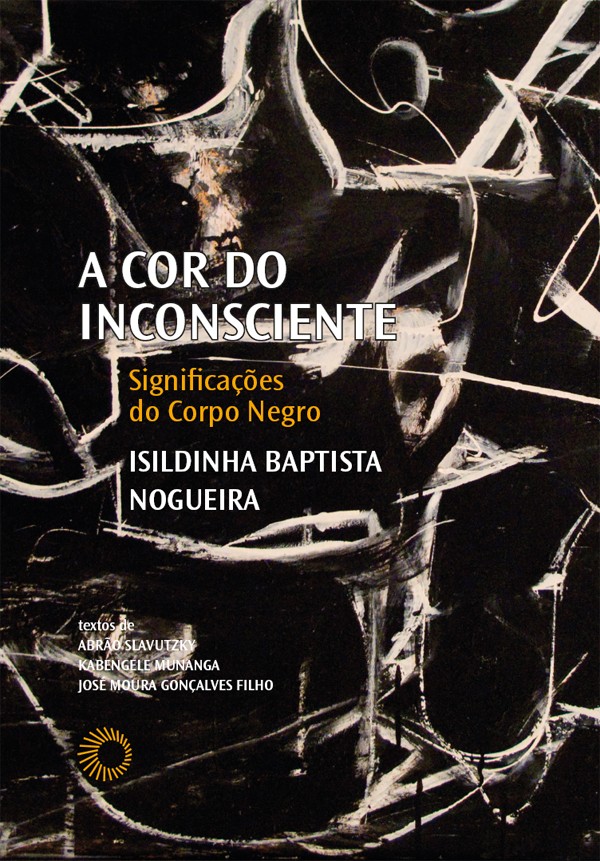
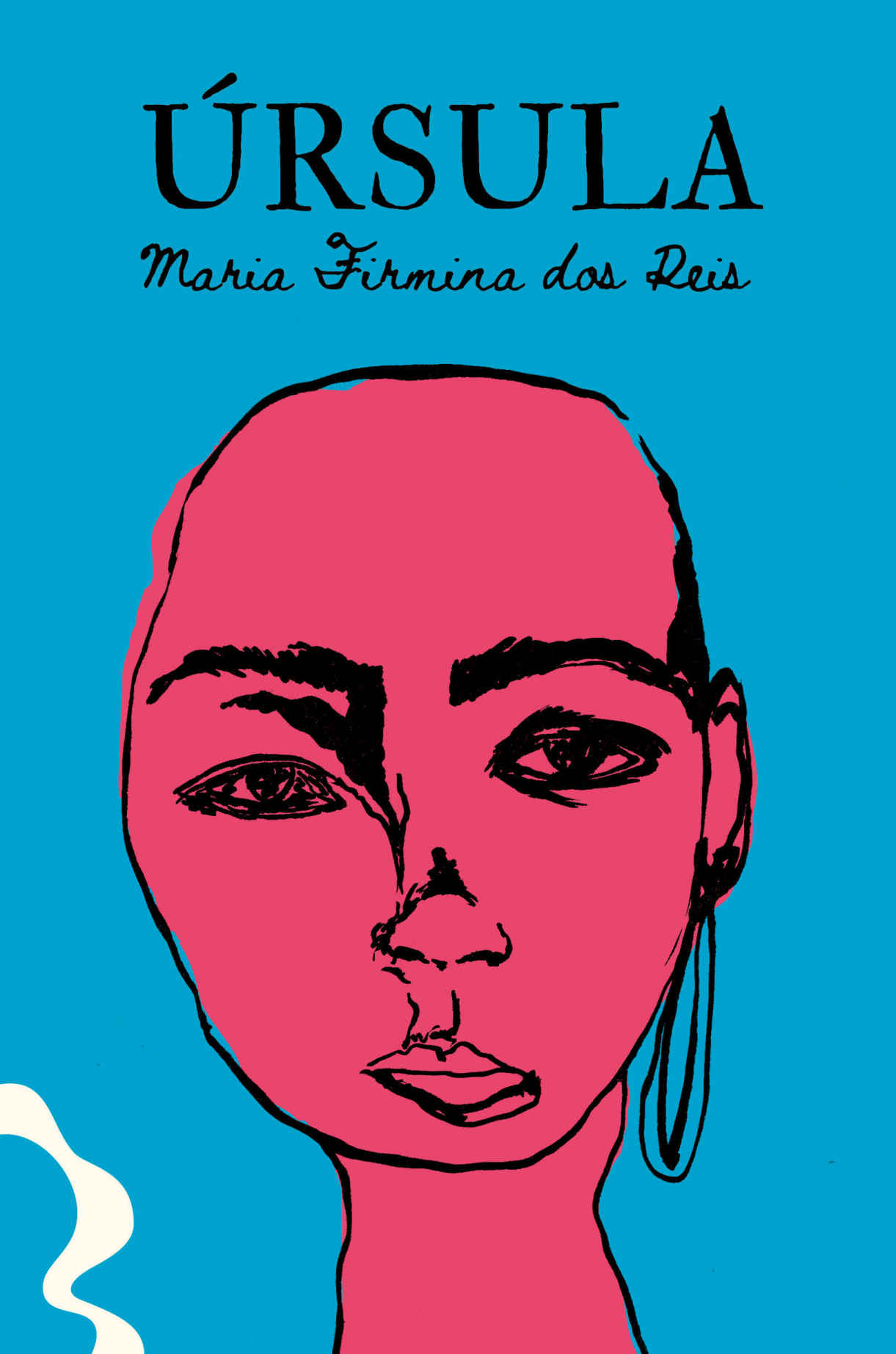
Most of these books are in Portuguese; The Dialectic Is in the Sea brings Beatriz Nascimento into English. The path begins with four foundational works, including Carolina Maria de Jesus's diary of a São Paulo favela. The second stage follows slavery, quilombos and resistance, from Palmares onward. The third is about race, the mind and whiteness: psychoanalysts and philosophers on what racism does inside people and institutions. The last gathers Black women's voices, from the first abolitionist novel by a Black woman, published in 1859, to Conceição Evaristo.