

Political philosophy books from Africa, the diaspora and the left
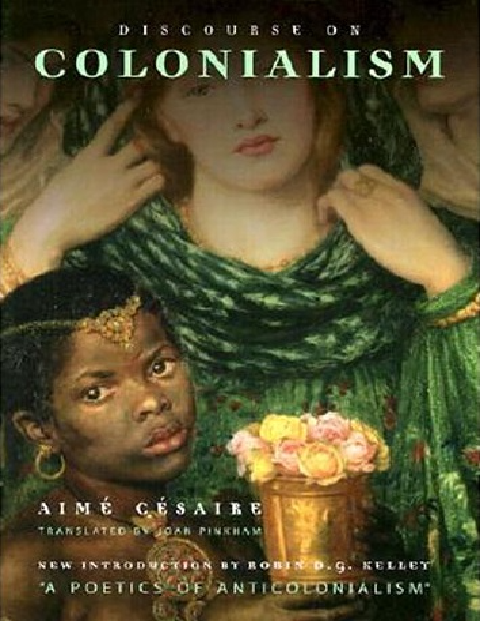
Political philosophy asks the oldest questions about power: what makes rule legitimate, what freedom and equality mean, what the state is for and when people may overthrow it. Usually it is taught as a conversation among Europeans from Plato to Rawls. This guide reads it differently, putting African, Caribbean and Afro-Brazilian thinkers beside the radical European tradition and asking what the canon looks like from the side of the colonised and the enslaved.
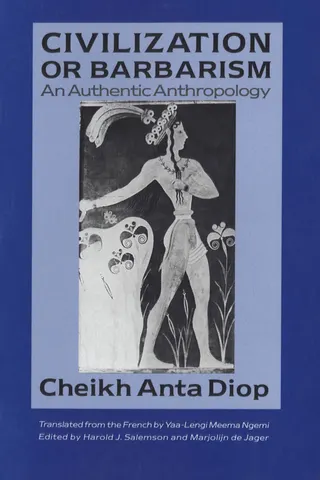
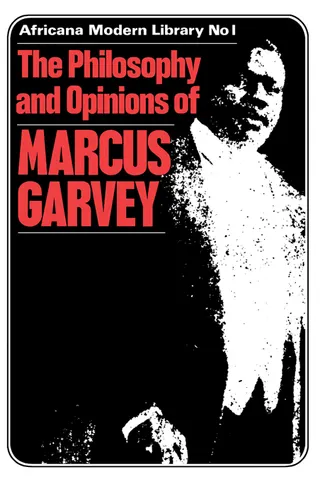
It matters because the great liberal thinkers of freedom were often comfortable with slavery and empire. Locke invested in the slave trade; France's Enlightenment philosophers said almost nothing about the Code Noir of 1685 that governed slavery in its colonies. Kwame Nkrumah, Cheikh Anta Diop, Marcus Garvey and Sueli Carneiro built political philosophies out of that contradiction, and out of Africa's own traditions of thought.
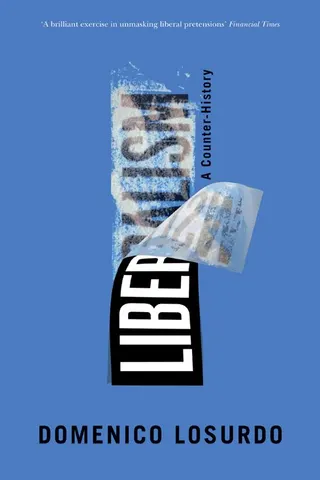
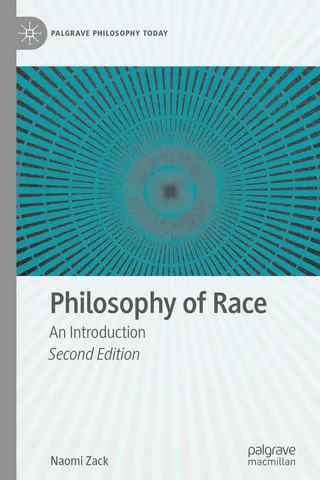
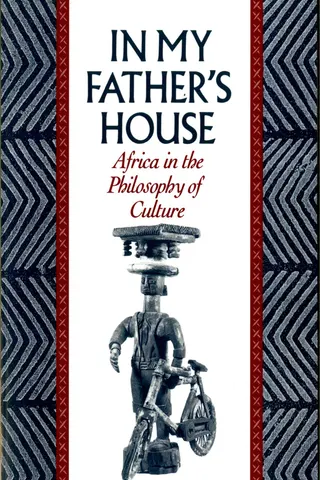
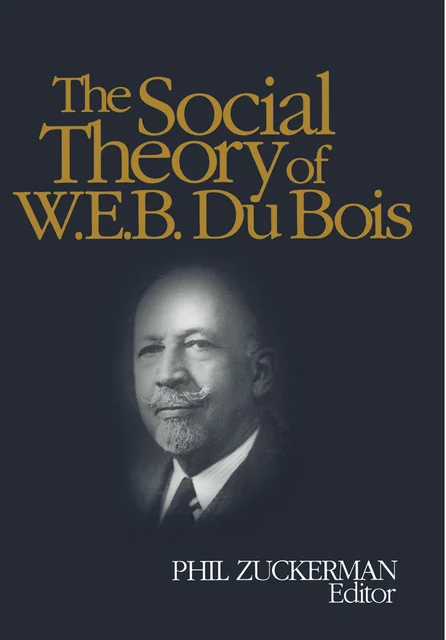
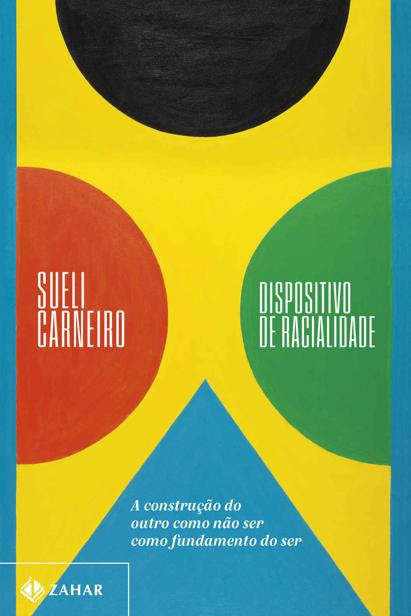
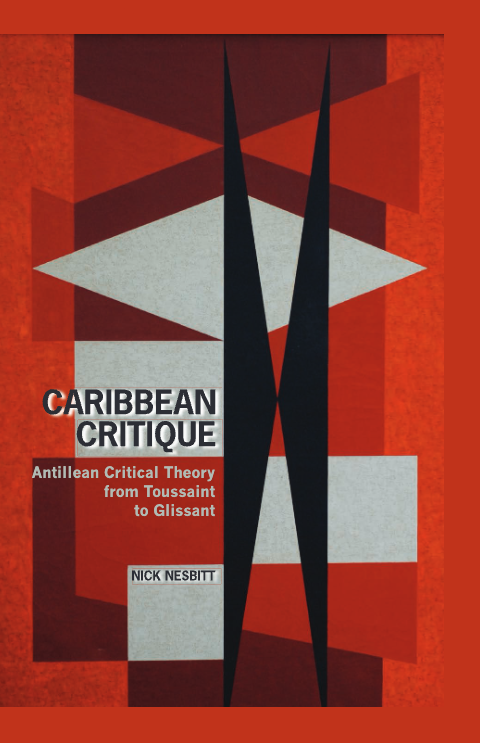
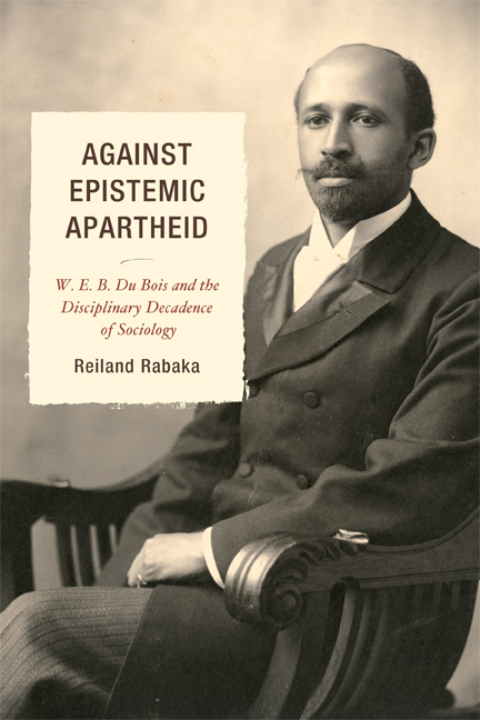
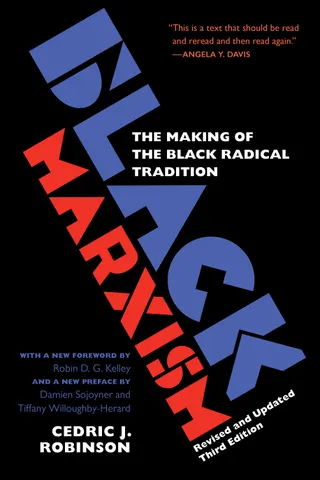
This reading path opens with three books that reframe the field: Domenico Losurdo's counter-history of liberalism, Antonio Gramsci's prison notebooks on hegemony, and Naomi Zack's introduction to the philosophy of race. The second stage is African philosophy, from Nkrumah's Consciencism to Sophie Oluwole's comparison of Socrates with Òrúnmìlà, the sage of Ifá. The third gathers Black political thought across the Atlantic: Garvey, Du Bois, Sueli Carneiro and the Caribbean thinkers from Toussaint to Glissant. The last returns to the radical European tradition on the state, religion and freedom, read alongside Edward Said and the Enlightenment's silence on slavery.