

Where to start with Pan-Africanism
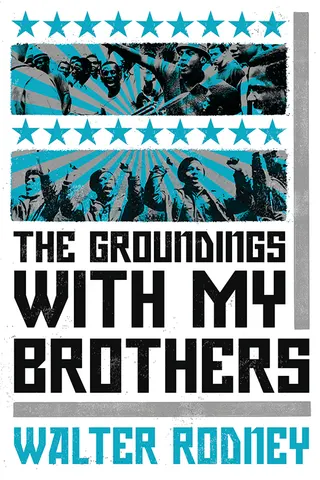
If you are new to Pan-Africanism, start with Walter Rodney's The Groundings with My Brothers: a short book of talks Rodney gave to Jamaica's poor in 1968, before the government banned him from the island and set off the Rodney riots. Pan-Africanism is the conviction that Africans on the continent and in the diaspora share one history of enslavement, colonialism and resistance, and that they can only be free together. It runs from the anti-slavery writers of the eighteenth century through the Pan-African congresses, Marcus Garvey's mass movement and the independence leaders gathered at Manchester in 1945, to the Organisation of African Unity founded in Addis Ababa in May 1963 and the African Union.
It matters today because the problems it named are still ours: weak states divided by colonial borders, economies built to serve others, debts, and a diaspora still facing racism. Young Africans are again asking what unity, self-reliance and mental emancipation would mean in practice.
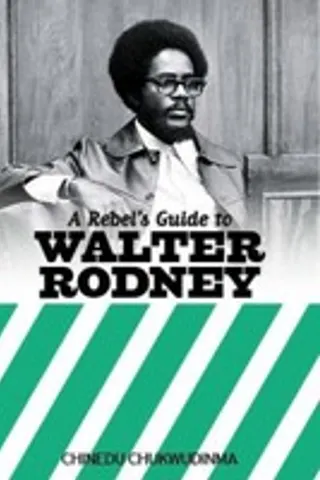
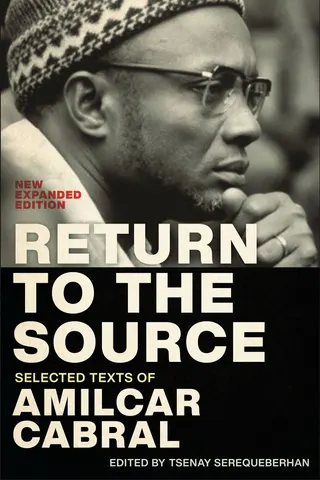
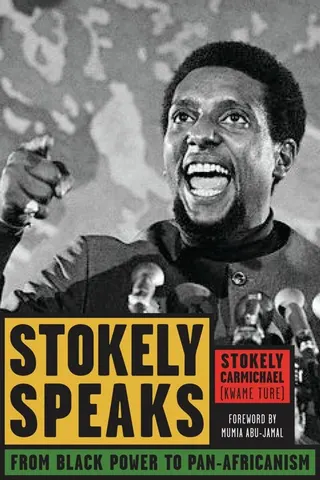
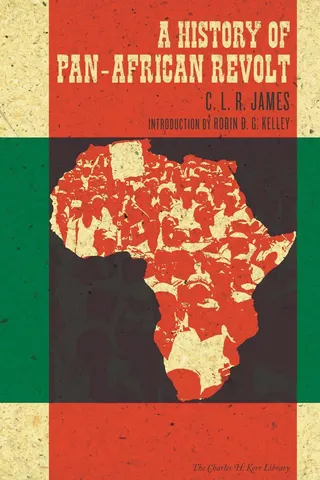
This path is built for beginners. The first stage gives you three short, lively ways in: Rodney's talks, a pocket guide to his life and ideas, and the speeches of Thomas Sankara. The second gathers the founding voices in their own words: Garvey, Nkrumah, Cabral and Stokely Carmichael. The third steps back to the history, with Hakim Adi's survey and C. L. R. James's account of Pan-African revolt. The last brings the movement up to date, from a scholarly handbook to a present-day movement's founding principles.