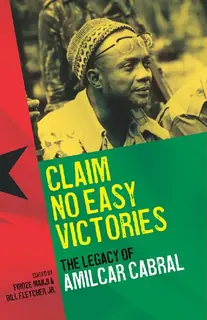



Amílcar Cabral
1924–1973Agronomist, liberation leader and political theoristGuinea-Bissau, Cape Verde, Portugal, Guinea
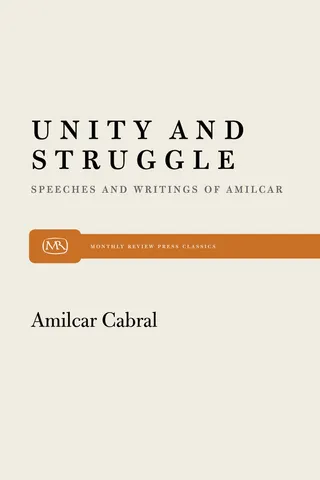
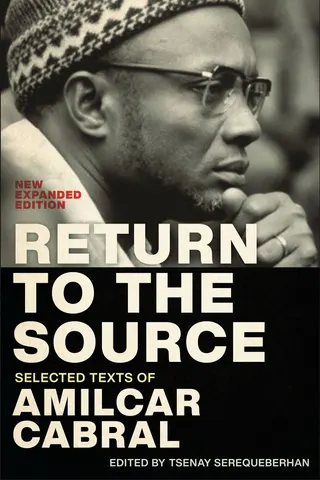
Amílcar Cabral led the liberation struggle of Guinea-Bissau and Cape Verde against Portuguese rule and was one of Africa's most original revolutionary thinkers. Born in Bafatá, Portuguese Guinea, in 1924 to Cape Verdean parents, he trained as an agronomist in Lisbon, where he met Agostinho Neto and other future leaders of the African liberation movements. An agricultural census of Guinea gave him close knowledge of its rural people. In 1956 he co-founded the PAIGC, and from 1963 led an armed struggle that freed much of the countryside, where the movement set up schools, clinics and people's courts. His speeches, collected in Return to the Source and Unity and Struggle, argued that national liberation is "an act of culture" and that theory must start from local reality. He was assassinated in Conakry in January 1973; Guinea-Bissau declared independence that September.
Sources: Wikipedia, Wikidata · Portrait: Wikimedia CommonsBooks by Amílcar Cabral
Quotes
“Whatever may be the ideological or idealistic characteristics of cultural expression, culture is an essential element of the history of a people. Culture is, perhaps, the product of this history just as the flower is the product of a plant.”
“Always bear in mind that the people are not fighting for ideas, for the things in anyone’s head.”

“We should avoid the superiority complex of those who know something and the inferiority complex of those who don’t know.”