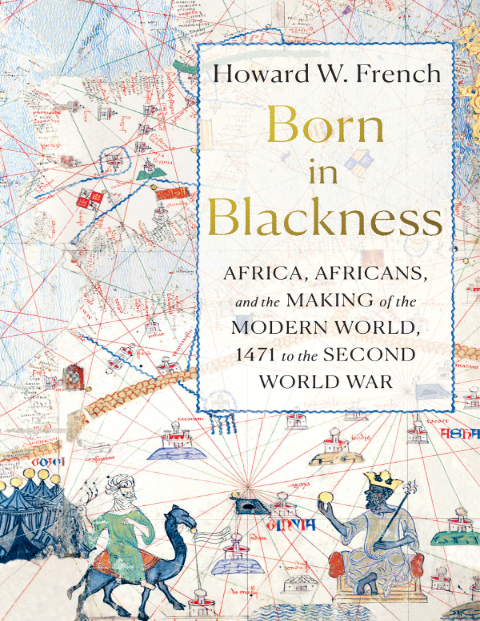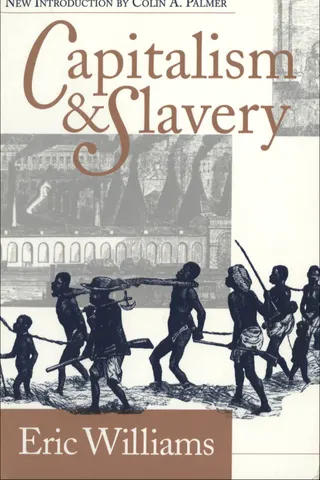


Books on colonialism and decolonisation in Africa and the Caribbean
Colonialism is the rule of one people over another's land, labour and minds for the benefit of the rulers. In Africa it was carved up on paper at the Berlin Conference of 1884–85, and within thirty years almost the whole continent, bar Ethiopia and Liberia, was under European flags. Decolonisation is how that rule was ended and, the harder part, how its legacy is undone: from Ghana's independence in 1957 and the seventeen African states freed in 1960 to the wars that ended Portugal's empire in 1974–75 and white rule in Zimbabwe in 1980.
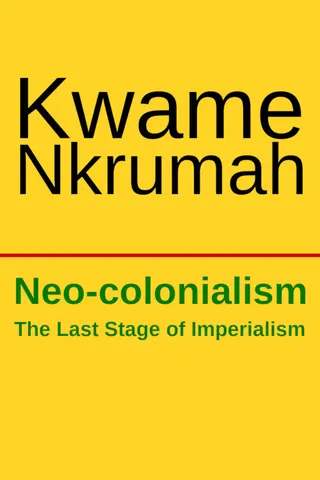
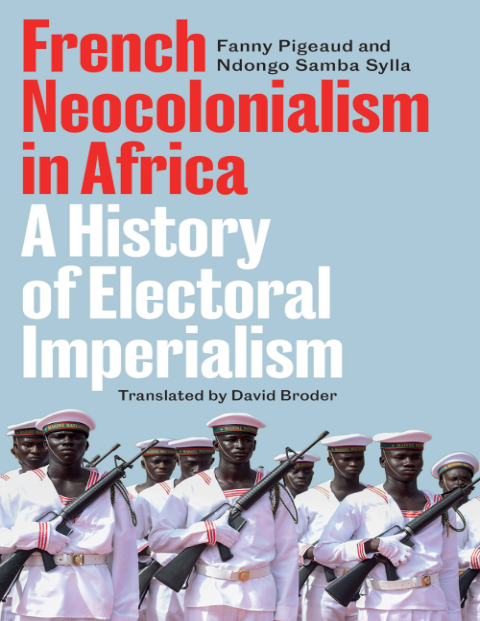
It matters because colonialism did not end when the flags changed. Borders, economies built to export raw materials, armies, languages, schools and the habits of the colonial state all outlived it, which is why Kwame Nkrumah warned in 1965 of a neo-colonialism in which a state is independent in theory but directed from outside.
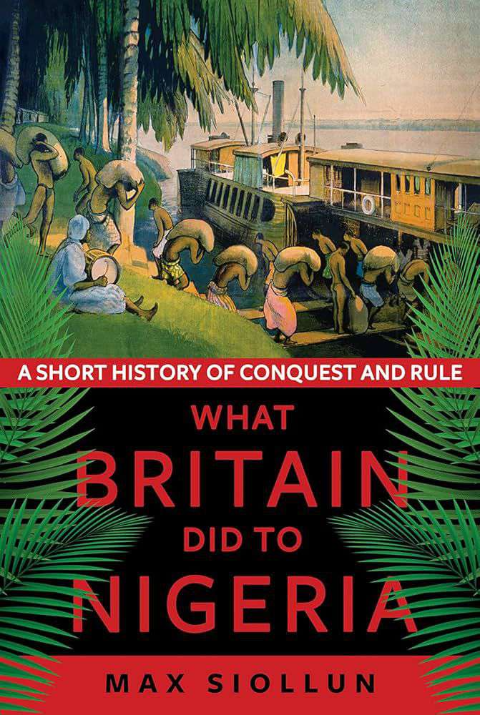
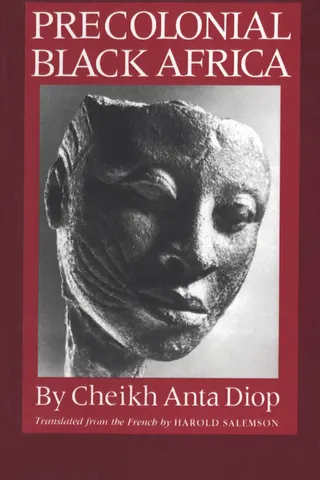
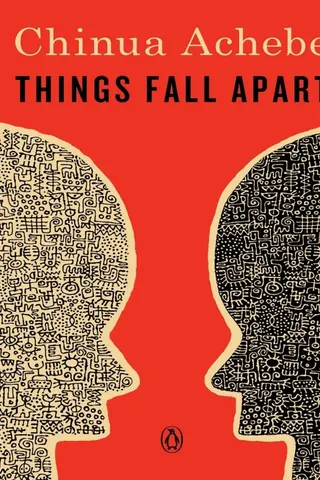
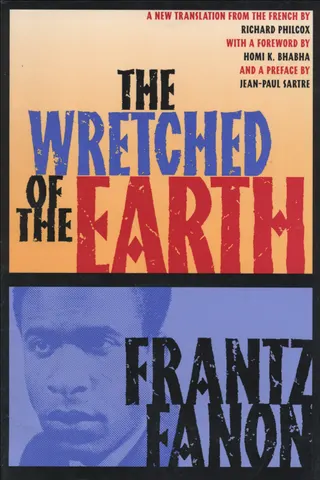
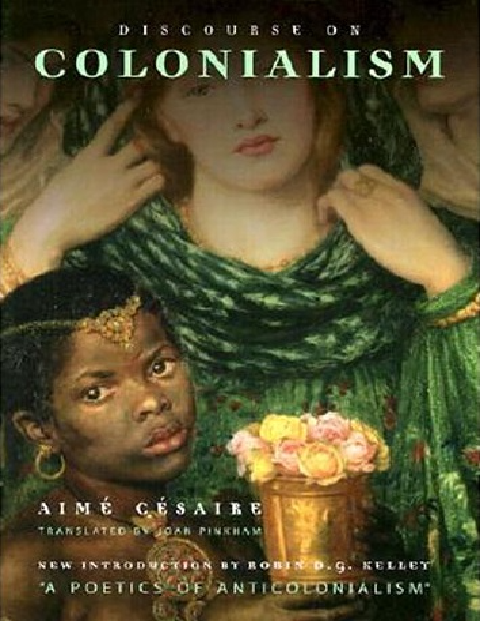
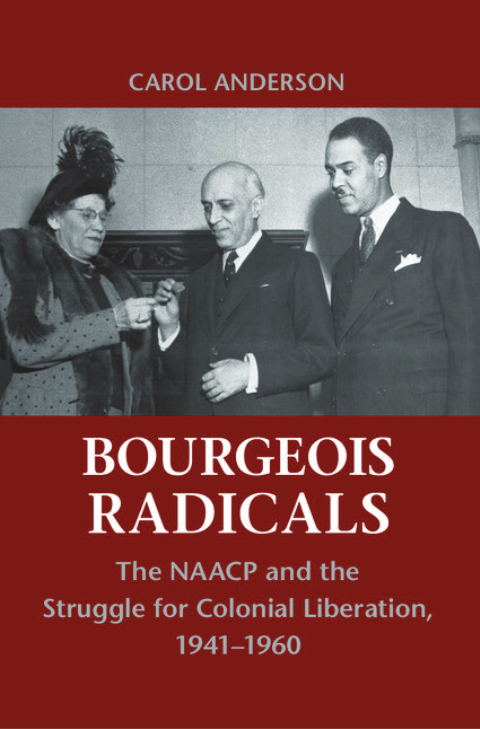
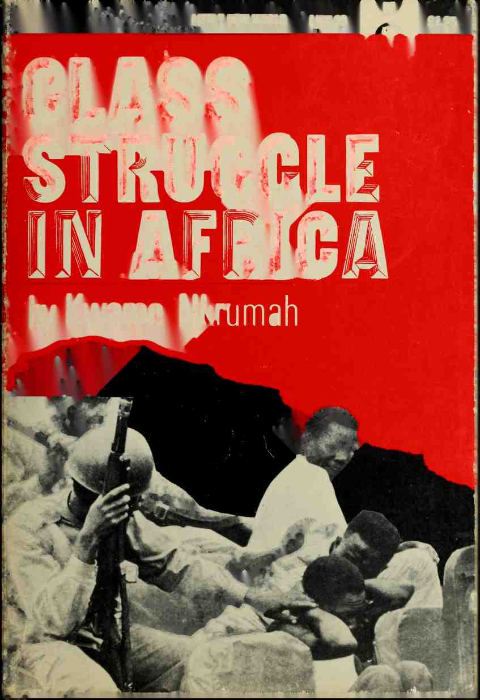
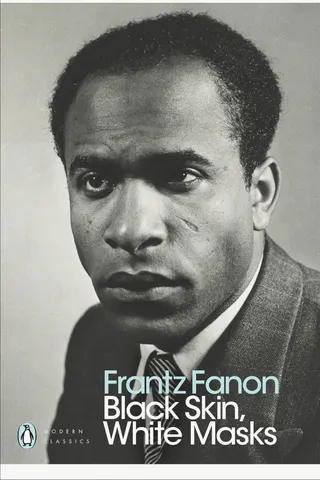
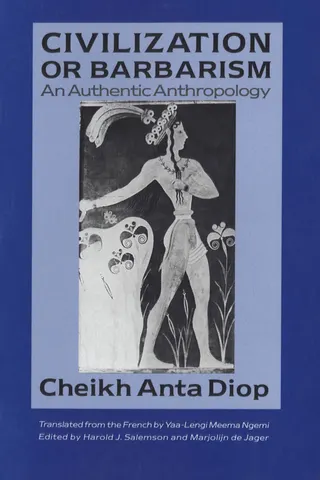
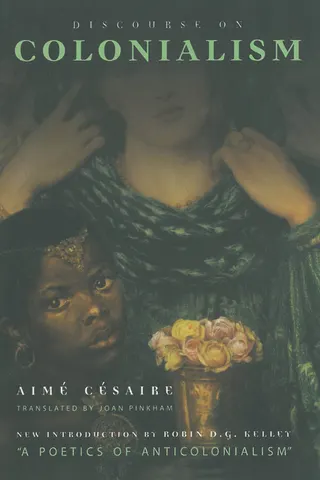
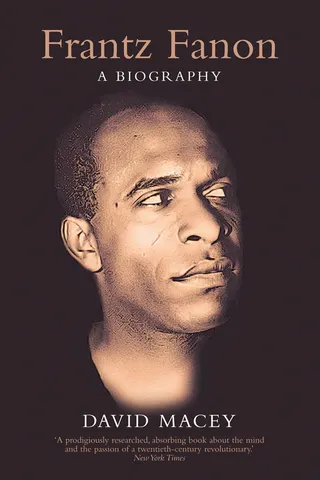
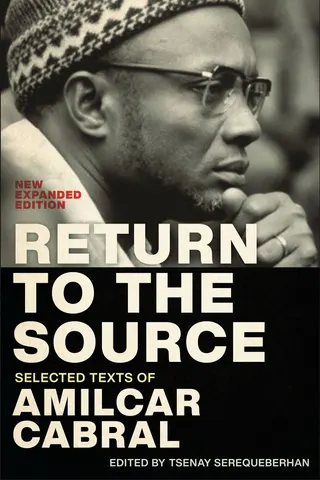
This reading path starts with what colonial rule did: King Leopold's Congo, Britain's Nigeria, Cheikh Anta Diop on the Africa that came before, and Chinua Achebe's novel of the moment things fell apart. The second stage gathers the great anti-colonial arguments, from Fanon and Césaire to George Padmore and Ngũgĩ wa Thiong'o. The third looks at independence won and its limits, with Nkrumah and Amílcar Cabral. The last turns to novels and essays from Kenya, Zimbabwe, Nigeria and the Caribbean that show colonialism and its aftermath from the inside.