

Decolonising the mind: books on language and African literature
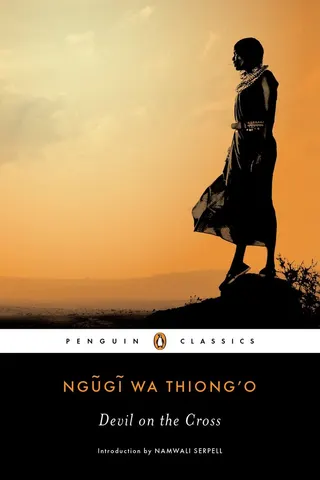
Decolonising the mind, in African literature, means freeing African writing and reading from the colonial habits that still shape them: the language it is written in, the canon it is judged by, and the image of Africa it inherits from European books. The phrase comes from Ngũgĩ wa Thiong'o's Decolonising the Mind, published in 1986 as his farewell to English. He described how colonial schools in Kenya humiliated children caught speaking Gĩkũyũ, and argued that writing in the colonisers' language kept African literature tied to a foreign audience and an elite. From then on he wrote his fiction in Gĩkũyũ.
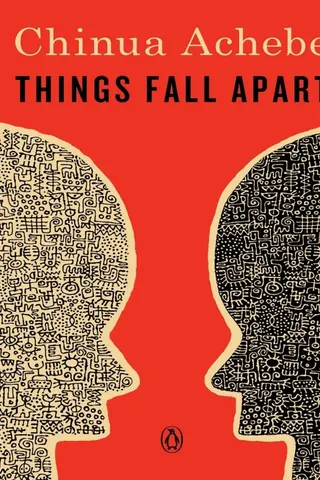
It matters because the argument is still unsettled. Chinua Achebe chose to write in an English remade to carry Igbo life, and in 1975 delivered a famous lecture calling Joseph Conrad's Heart of Darkness racist, the founding attack on Europe's image of Africa. Amos Tutuola's Yoruba-shaped English was mocked in Lagos and praised in London. Every African reader and writer today, choosing between English, French or Portuguese and Yoruba, Swahili or isiZulu, is part of this debate.
This reading path starts with the two founding statements, Ngũgĩ's Decolonising the Mind and Achebe's essays in Hopes and Impediments, alongside Achebe's own reflections on a colonial childhood. The second stage follows the argument further: Ngũgĩ's later essays on language, memory and theory, Elleke Boehmer's guide to colonial and postcolonial literature, and Janheinz Jahn's early study of a 'new African culture'. The last stage puts the ideas to work in the novels at the centre of the debate, from Tutuola and Achebe to the Gĩkũyũ novels Ngũgĩ wrote in prison and after.