
African novels to read: where to start with African literature
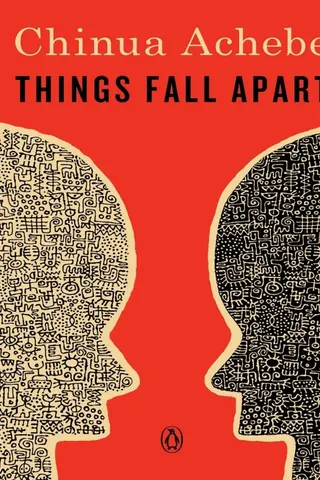
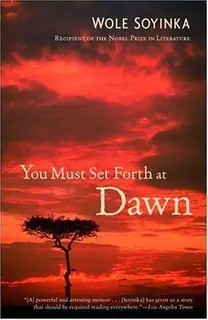
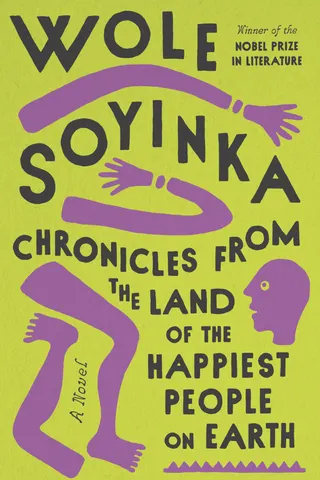
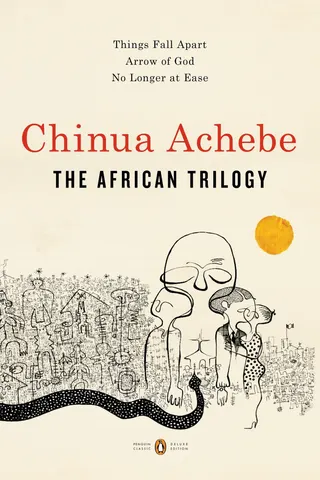
Modern African literature is the body of novels, poems, plays and memoirs that Africans have written since the mid-twentieth century to tell their own stories after centuries of being written about by others. It took off with independence: Chinua Achebe's Things Fall Apart, published in 1958, became the most widely read African novel in the world, and in 1986 Wole Soyinka became the first African to win the Nobel Prize in Literature.
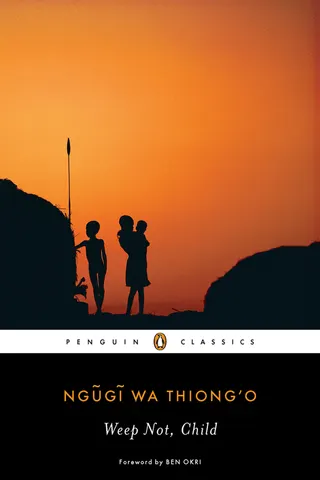
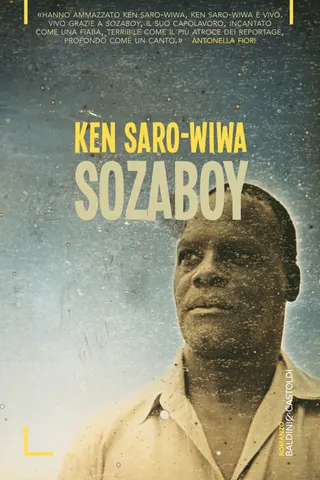
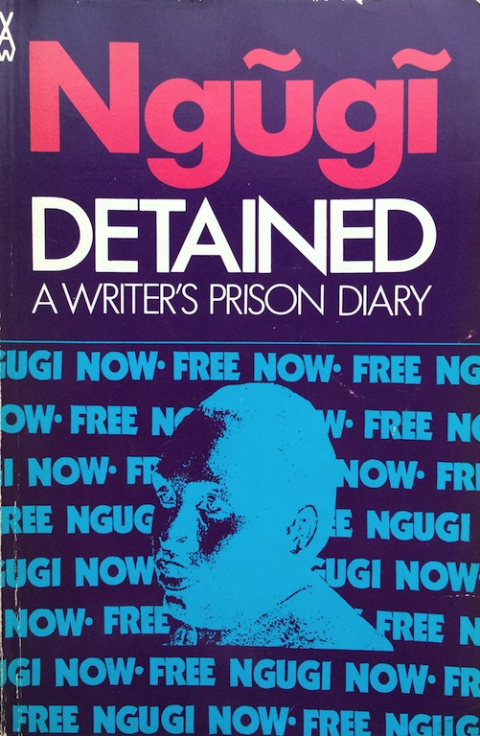
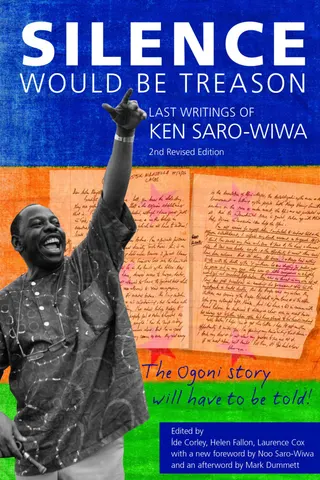
It matters because these books are history from the inside. They show the arrival of the missionaries and the district officers, the hopes of independence and how quickly politicians betrayed them, the Biafran war and Kenya's detention camps, and women pushing against custom and men alike. Many of their authors paid for it: Ngũgĩ wa Thiong'o was detained without trial in 1978, Soyinka was jailed during the civil war, Ken Saro-Wiwa was hanged in 1995.
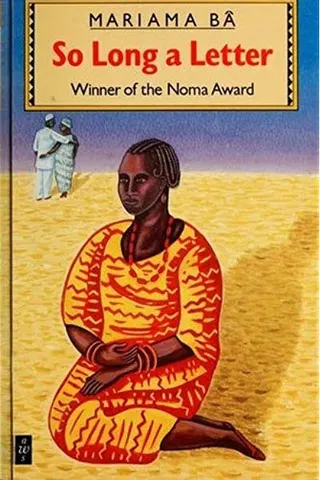
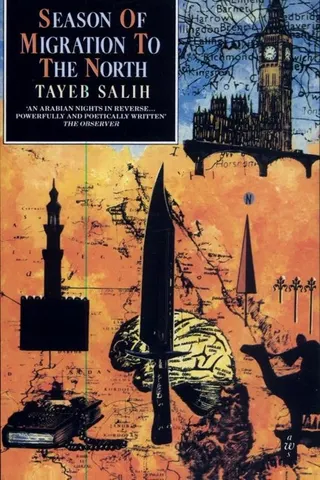
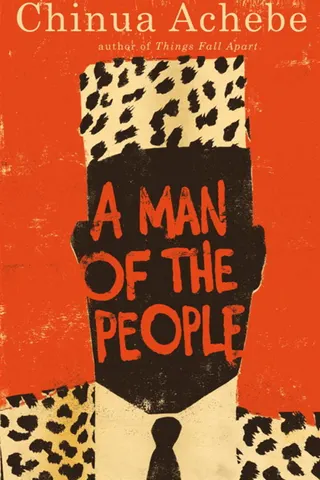
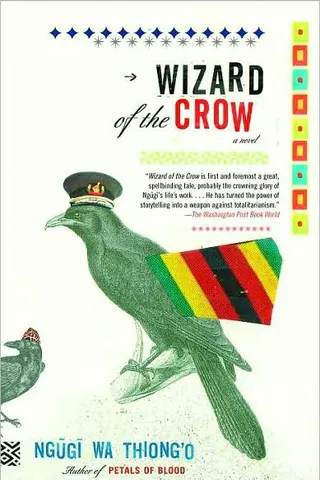
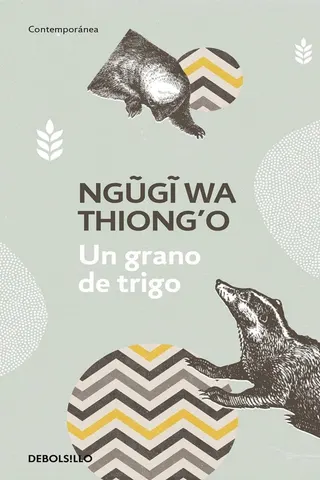
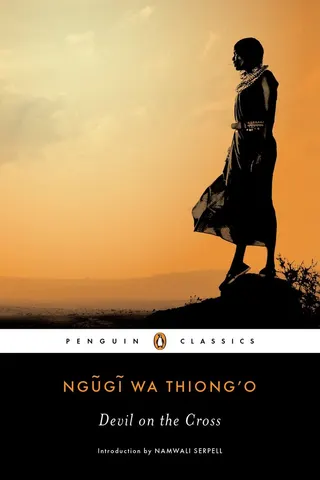
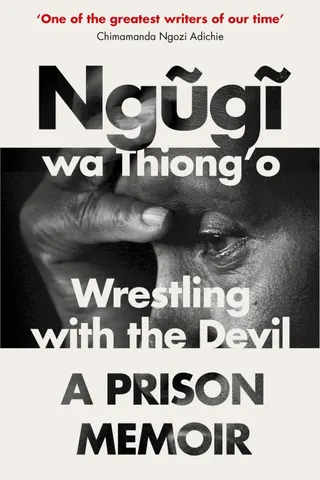
This reading path starts with five novels that everyone should read, from Achebe and Ngũgĩ to Mariama Bâ's Senegal and Tayeb Salih's Sudan. The second stage follows the great novels of disillusion after independence, from Achebe's A Man of the People to Ayi Kwei Armah's Ghana. The third gathers books of war and dictatorship, among them Chimamanda Ngozi Adichie's Half of a Yellow Sun and Ngũgĩ's satirical Wizard of the Crow. The last turns to poetry and memoir, with Achebe's poems, Agostinho Neto's verse from Angola's liberation war, and the memoirs of Ngũgĩ and Soyinka.