

Books on Nigerian politics: power, coups, oil and the Biafran war
Nigerian politics has been a contest over who controls the state and its oil wealth in a federation of more than 200 million people and hundreds of ethnic groups that Britain assembled in 1914. Since independence in 1960 power has passed through a short-lived First Republic, coups in January and July 1966, the Biafran war of 1967 to 1970, almost thirty years of military rule broken only by the Second Republic of 1979 to 1983, the annulment of the 12 June 1993 election, and civilian rule since 1999. Oil, found in the Niger Delta in 1956, came to pay for the state while the Delta's own people were poisoned and impoverished.
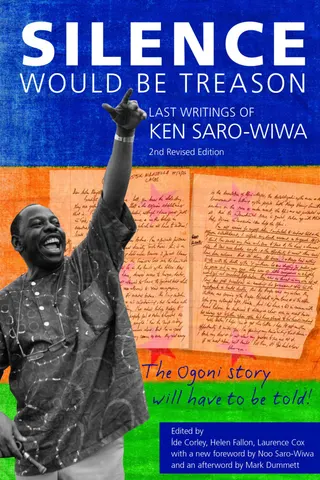
It matters because the same questions keep returning: why a country so rich in people and resources has so many poor; why soldiers kept seizing power; whether the federation is fair to its regions and minorities; and what ordinary Nigerians can do about it. Chinua Achebe's answer was a failure of leadership. Bade Onimode's was imperialism and a comprador class. Ken Saro-Wiwa's was resistance, for which he was hanged in 1995.
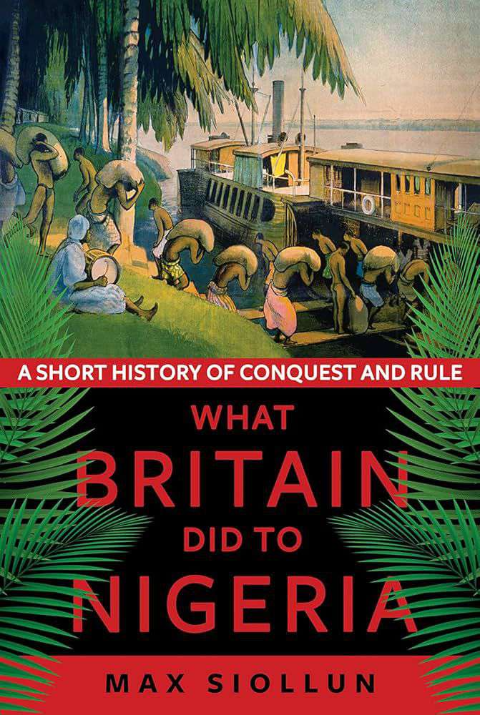
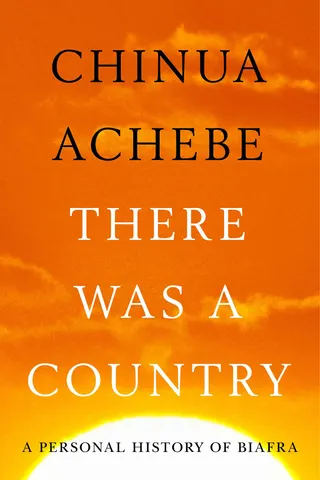
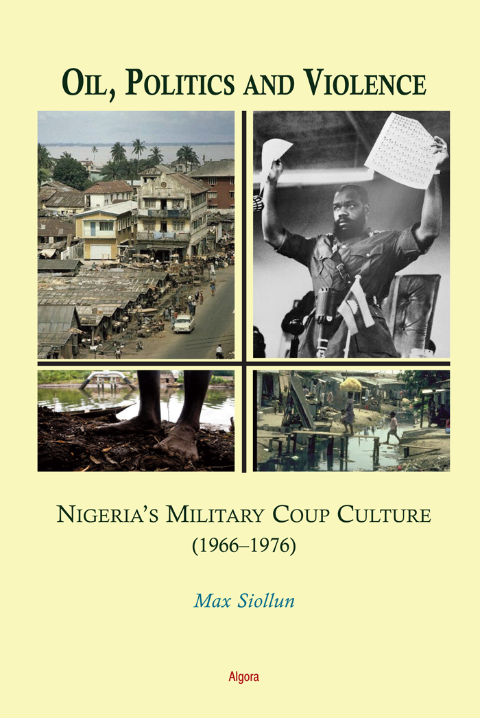
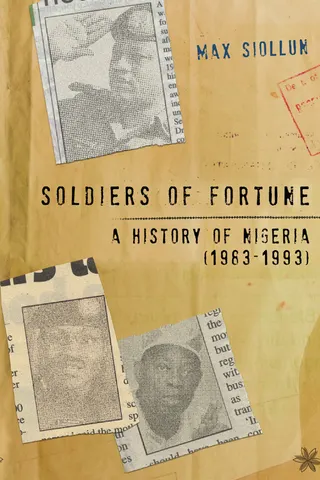
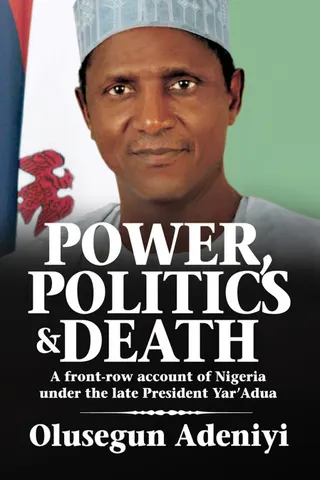
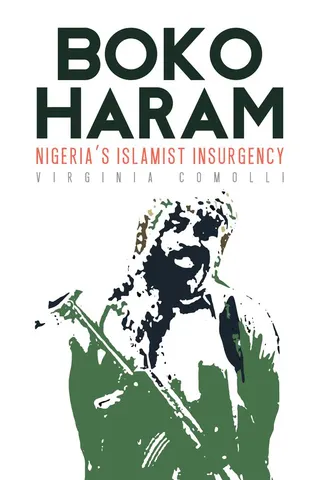
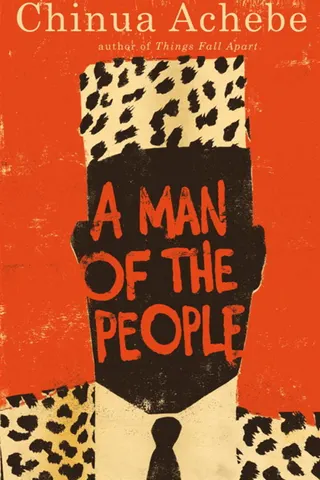
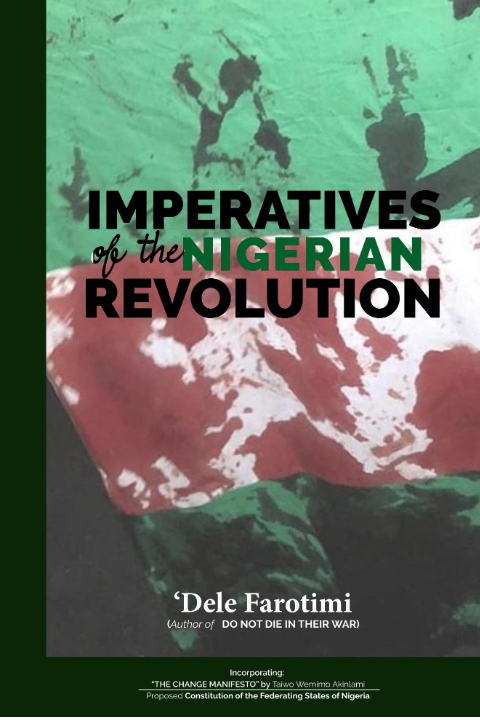
This reading path starts with three books that frame the argument: Achebe's The Trouble with Nigeria, Max Siollun's history of British rule and Achebe's memoir of Biafra. The second stage follows soldiers in power, from the coups of 1966 to the June 12 crisis and a president's death in office. The third looks at oil, money and the people, from the Niger Delta to Boko Haram. The last turns to writers against power, in novels, memoir and a call for revolution.