

Books on the Haitian Revolution
The Haitian Revolution was the only slave revolt in history to destroy a slave society and found an independent state. It began in August 1791, when enslaved people in the northern plain of Saint-Domingue, France's richest colony and a leading producer of the world's sugar and coffee, rose against their masters. Over twelve years of war they forced France to abolish slavery in 1794, defeated Spanish and British invasions, and, under Toussaint Louverture and then Jean-Jacques Dessalines, beat the army Napoleon sent to restore slavery. On 1 January 1804 Dessalines declared the independence of Haiti, the first Black republic.
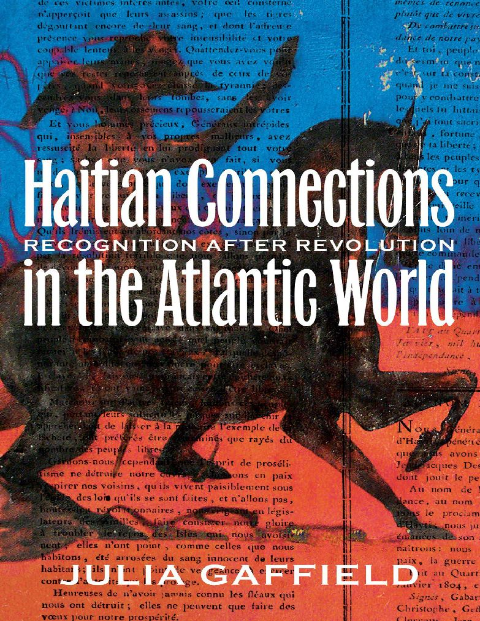
It matters because it changed the world. It made abolition thinkable, terrified slaveholders from Virginia to Brazil, inspired rebels such as Denmark Vesey, and helped persuade Napoleon to sell Louisiana. The world made Haiti pay: France recognised its independence in 1825 only in exchange for an indemnity of 150 million francs to compensate the former slaveholders, a debt that crippled the country for generations.
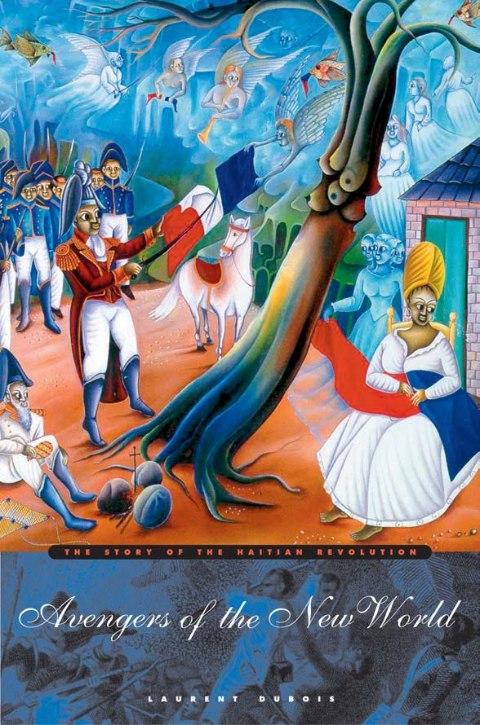
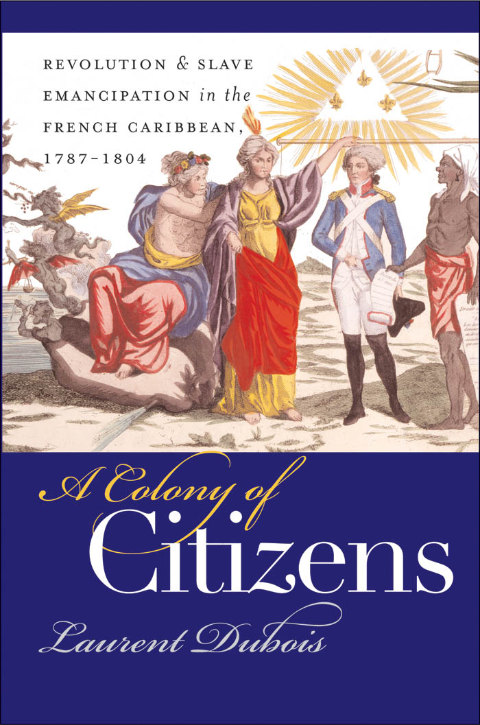
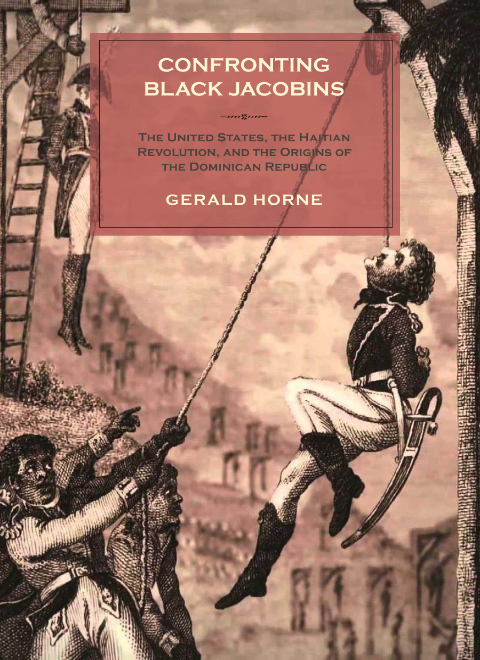
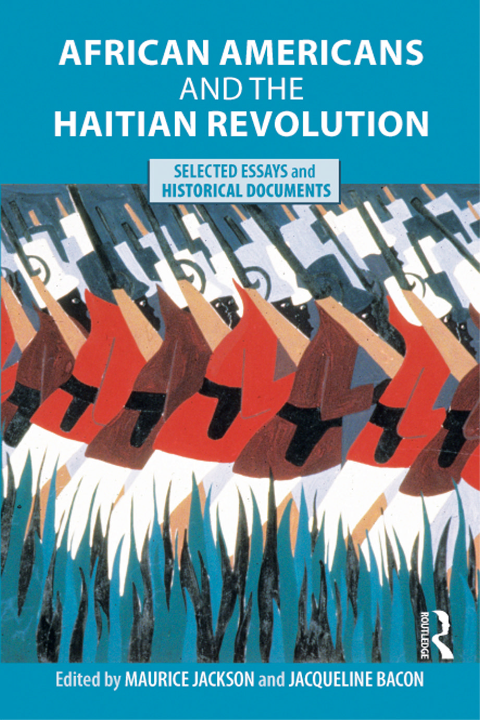
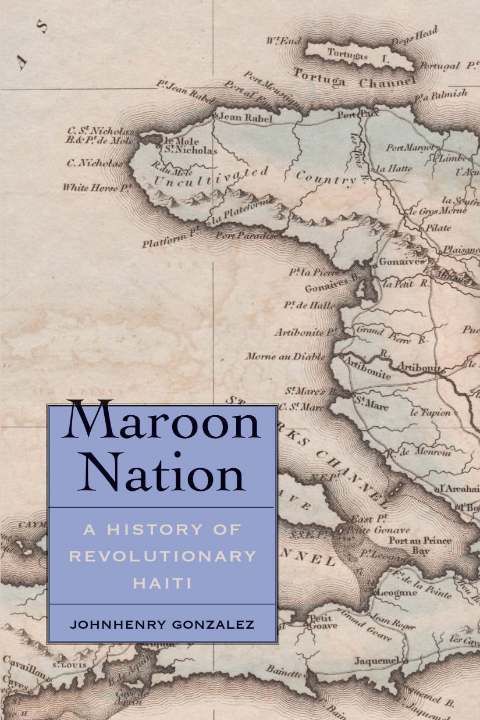
This reading path starts with the classic narratives, above all C. L. R. James's The Black Jacobins and Laurent Dubois's Avengers of the New World. The second stage goes deeper into the colony, the revolution's ideas and the lives it touched. The third follows the revolution's impact on the United States and the Atlantic world. The last asks what happened after 1804, from the peasants who refused the plantation to the indemnity, the Duvaliers and the present.