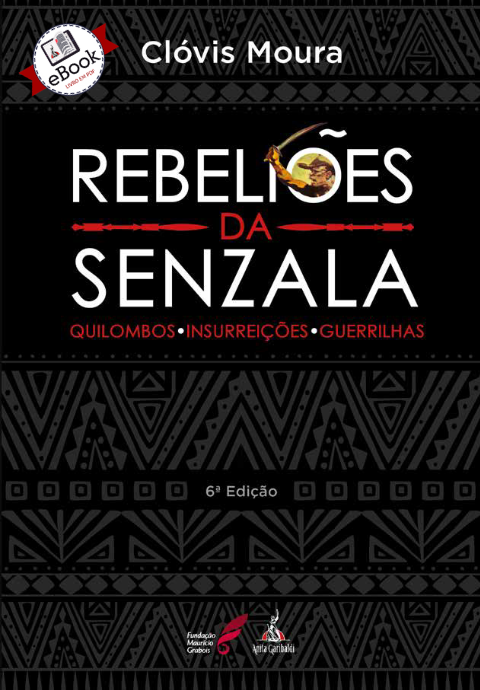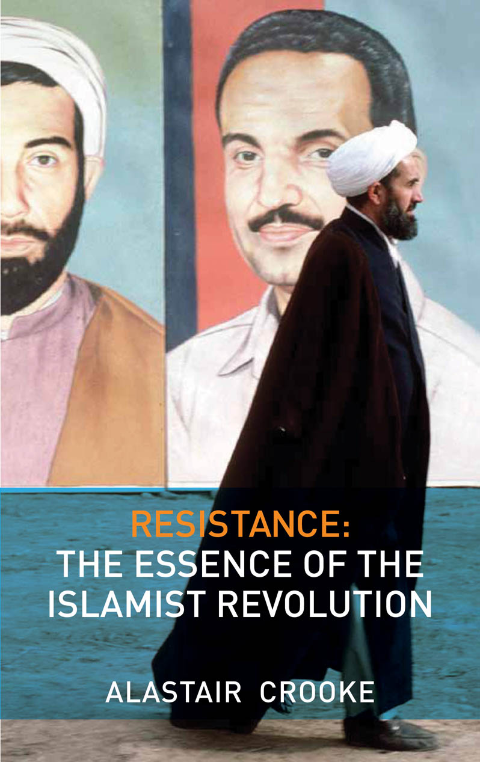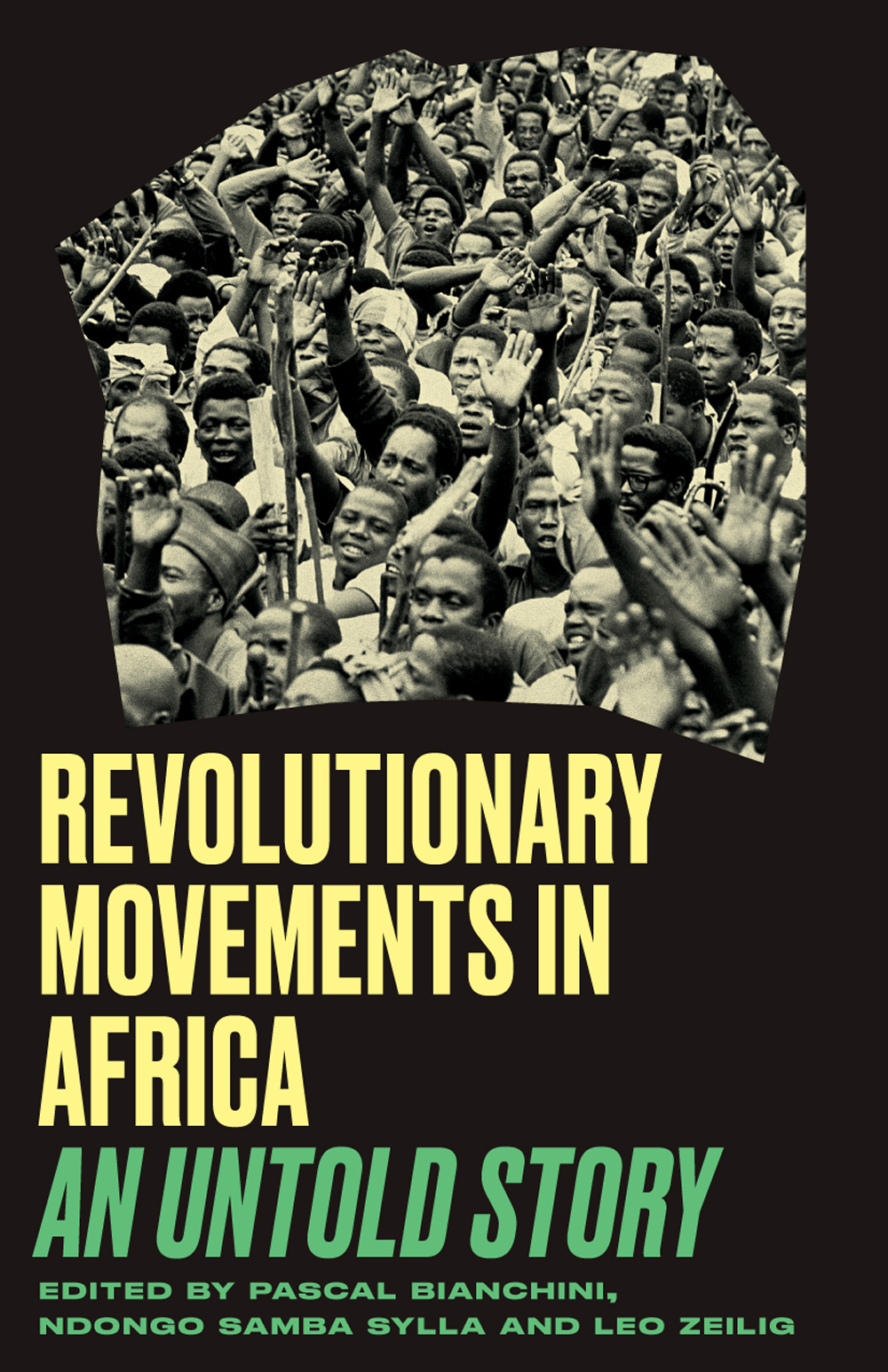

Books on revolution, from Russia and China to Cuba and Africa
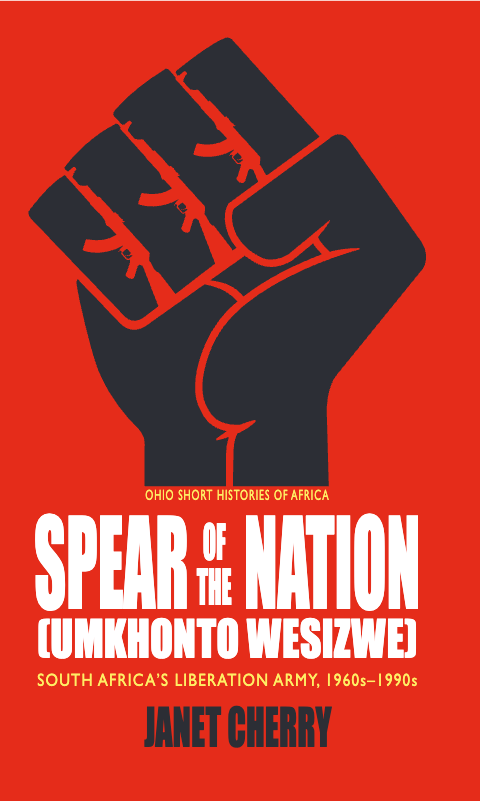
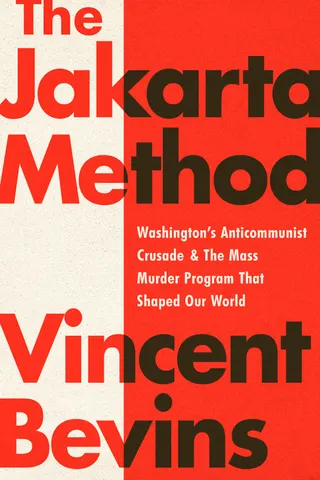
Revolution is the overthrow of a ruling order by those it rules, and resistance is everything the oppressed do to survive and fight back on the way there. The twentieth century was a century of revolutions: Russia in 1917, China in 1949, Cuba in 1959, Vietnam's thirty-year war, and the armed liberation struggles of Algeria, Guinea-Bissau, Mozambique, Angola, Zimbabwe and South Africa. Each one was studied and copied by the next, and each provoked a counter-revolution, from the coups of the Cold War to the massacre of perhaps a million Indonesians in 1965 and 1966.
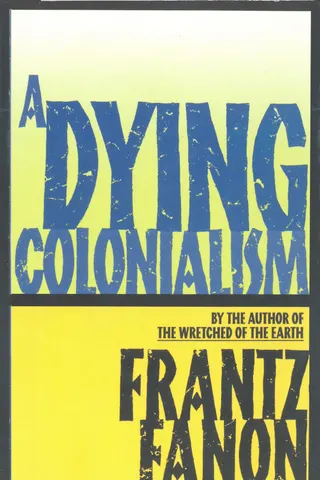
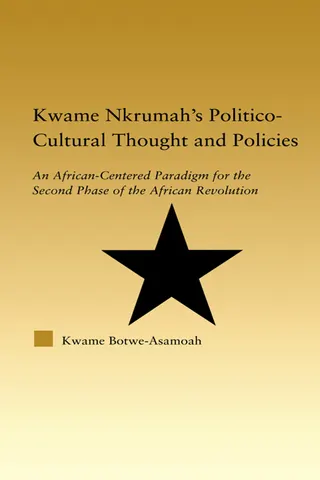
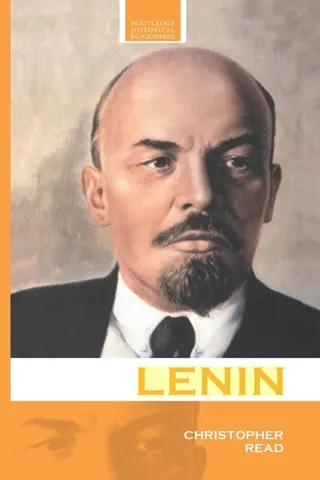
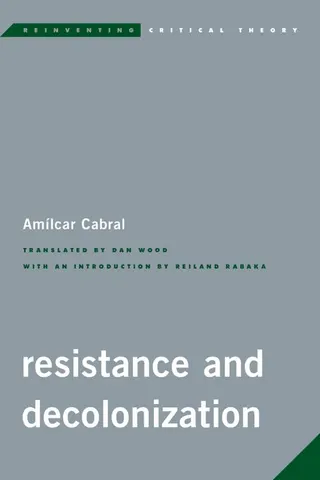
For readers in Africa and the diaspora these books matter because they are a working library. Cabral, Nkrumah and Fanon read Lenin and Mao, argued with them, and wrote their own theory out of their own wars.
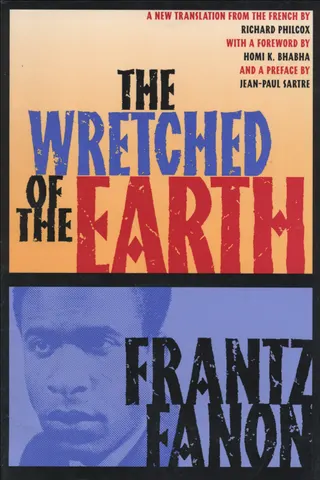
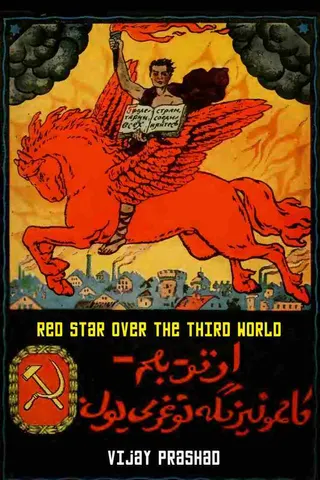
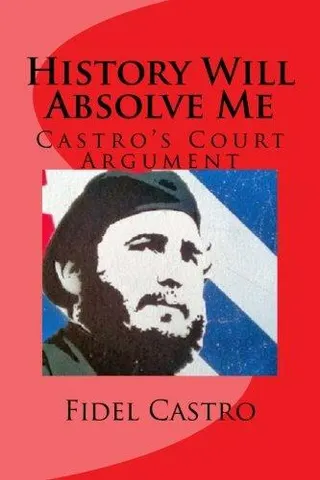
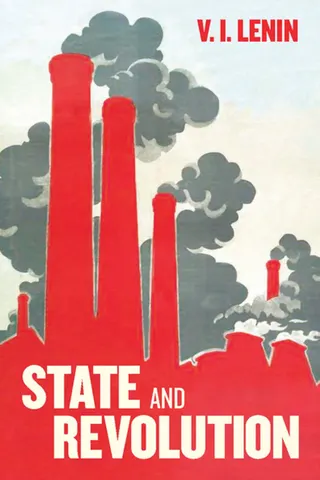
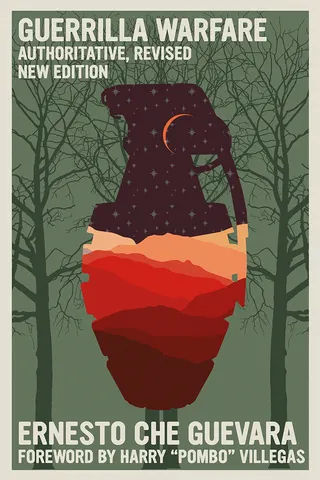
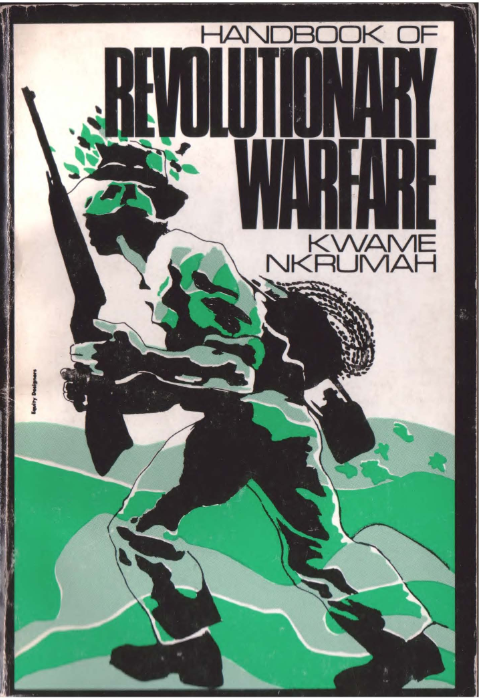
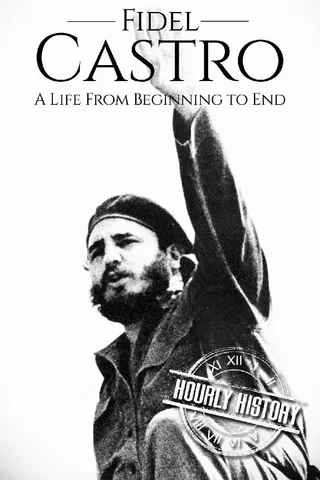
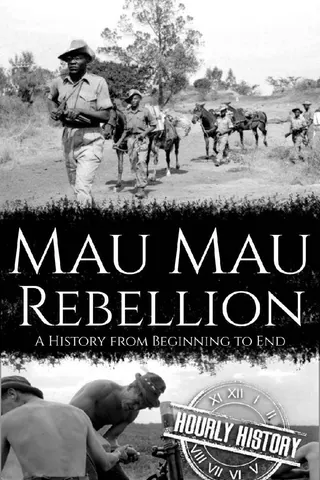
This reading path begins with three short books that frame the question: the Manifesto, Fanon's Wretched of the Earth, and Vijay Prashad's account of what the Russian Revolution meant to the colonised world. The second stage tells the great revolutions as eyewitnesses and participants saw them, from John Reed in Petrograd to Fidel Castro's speech at his trial in 1953. The third gathers the handbooks: Lenin on the state, and Mao, Che, Nkrumah and Robert Taber on guerrilla war. The last stage returns to Africa's liberation wars and to the Jakarta Method, the story of how revolution was crushed.