

Books on Cuba and the Cuban Revolution
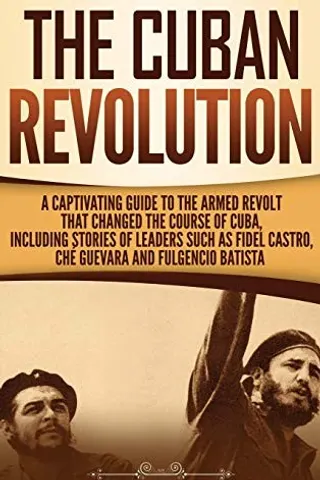
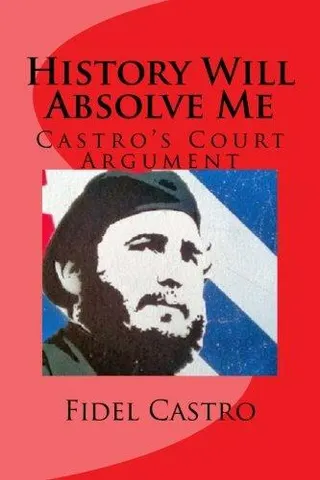
The Cuban Revolution was the overthrow of Fulgencio Batista's US-backed dictatorship by Fidel Castro's July 26 Movement, and the socialist state it built in the decades since. It began with the failed attack on the Moncada barracks on 26 July 1953; Castro's defence speech at his trial ended 'History will absolve me'. In December 1956 he, Che Guevara and some eighty others landed from the yacht Granma, survived an ambush at Alegría de Pío, and built a guerrilla army in the Sierra Maestra. Batista fled on 1 January 1959. The new government's land reform and nationalisations led to the US-backed Bay of Pigs invasion of April 1961, the missile crisis of October 1962 and an embargo that still stands.
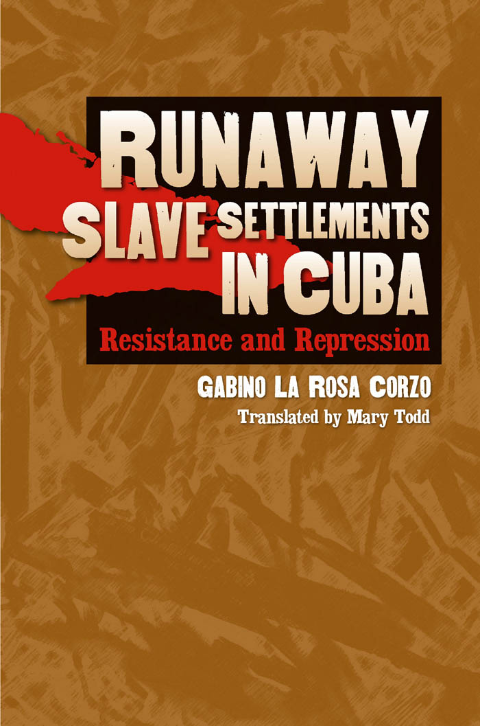
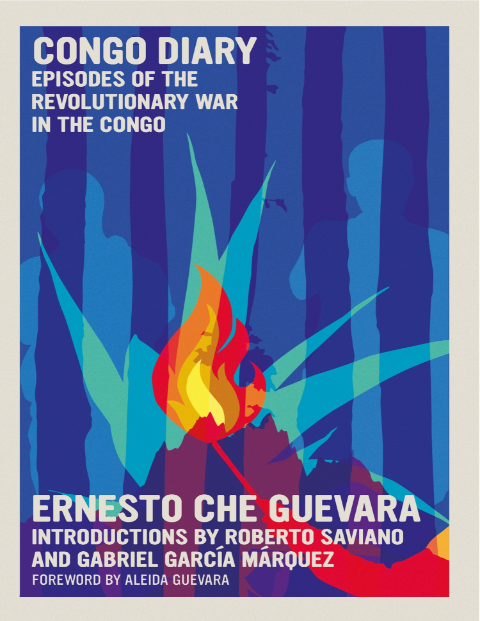
For Africa it matters more than for almost anywhere outside Latin America. Cuba sent doctors, teachers and soldiers across the continent; Che fought in Congo in 1965; and from November 1975 hundreds of thousands of Cuban volunteers defended Angola against South African invasion, a war that ended at Cuito Cuanavale in 1988 and hastened Namibia's independence and the end of apartheid. And Cuba itself is an Afro-Caribbean nation, shaped by slavery until 1886 and by the runaway communities that resisted it.
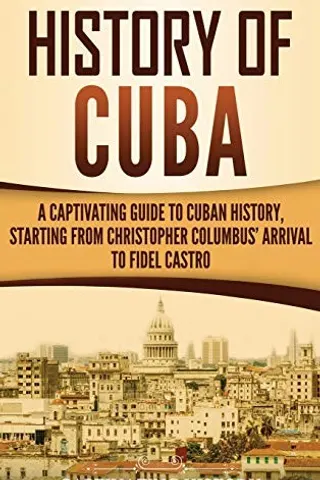
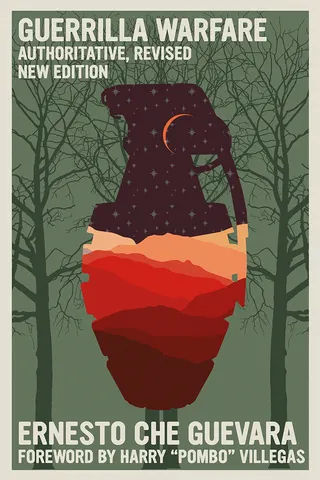
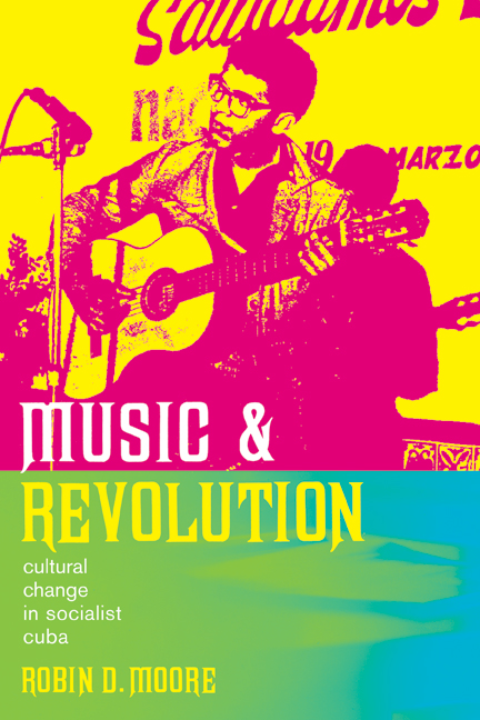
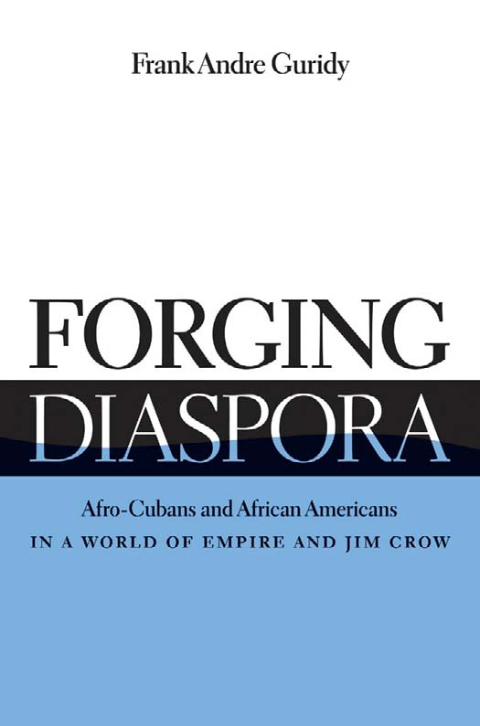
This reading path begins with short histories of Cuba and of the revolution, and Castro's 1953 speech. The second stage follows the guerrilla war through Che Guevara's own writings. The third looks at the revolution in power, from the Declarations of Havana to Castro's own life story and the fate of Cuban music. The last turns to race, Africa and the Black Atlantic, from Cuba's palenques to Che's Congo diary.