
Global South books: the Third World project, from Bandung to today
The Global South is the name now given to the countries of Africa, Asia, Latin America and the Caribbean that were colonised or dominated by Europe and the United States, and which still sit on the losing side of the world economy. In the decades after the Second World War they called themselves the Third World, and it was a political project rather than a place: at Bandung in April 1955 leaders of 29 Asian and African countries met to oppose colonialism; the Non-Aligned Movement followed in 1961, the Tricontinental conference in Havana in 1966, and in 1974 a UN call for a New International Economic Order.
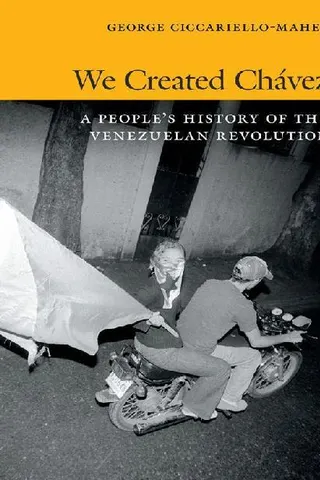
It matters because Africa's struggles were never Africa's alone. Vietnam, Cuba, China, Palestine, Grenada and Venezuela fought the same powers over the same questions of land, sovereignty and who profits from the world's resources, and they learned from and aided one another. Today's arguments about China, debt and a multipolar world are the latest chapter of that story.
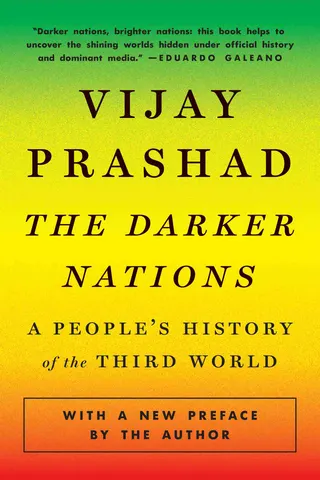
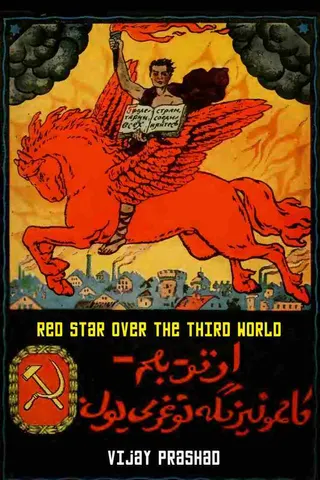
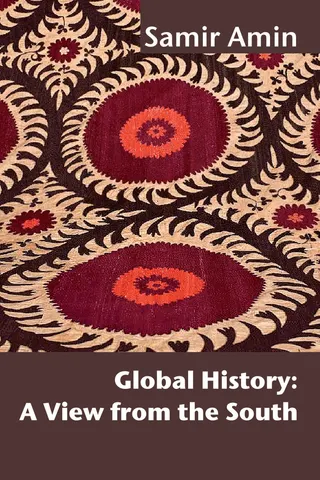
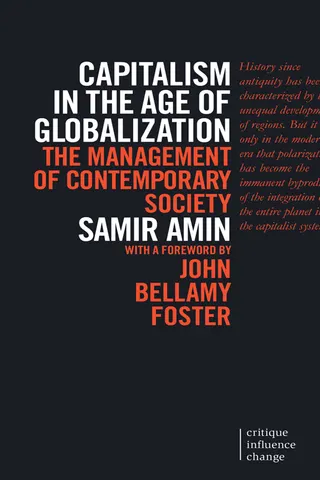
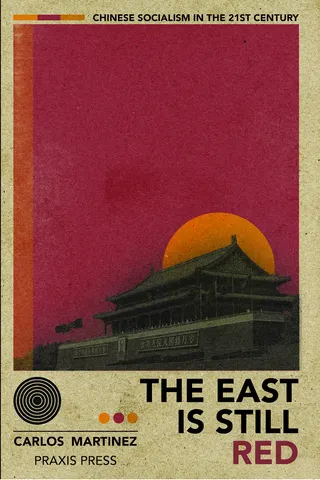
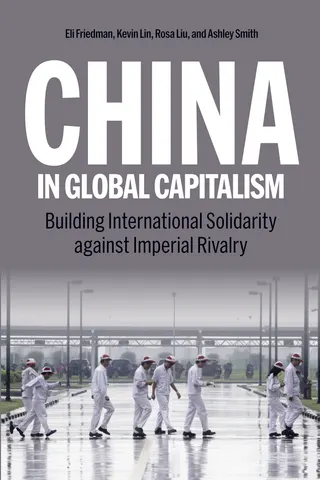
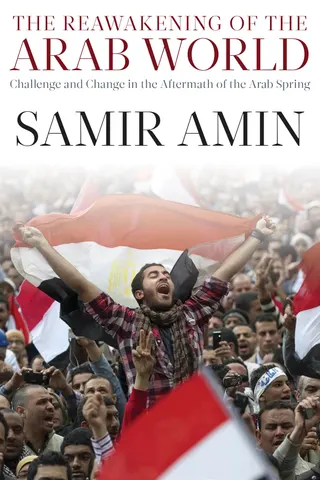
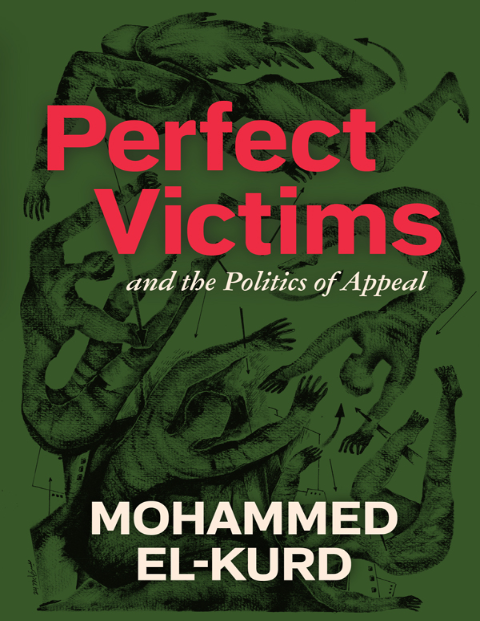
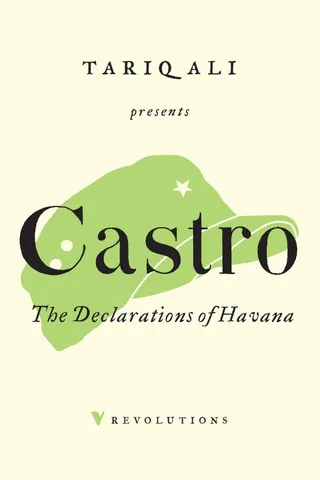
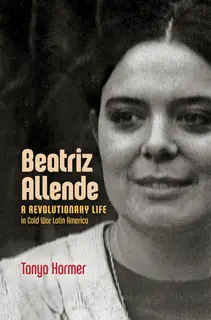
This reading path starts with histories of the Third World project, led by Vijay Prashad's The Darker Nations and the Egyptian economist Samir Amin's view of world history from the South. The second stage turns to Asia and the Arab world: Ho Chi Minh's Vietnam, the debate over China's socialism, the Arab uprisings and Palestine. The third crosses to Latin America and the Caribbean, from Cuba's Declarations of Havana and Grenada's revolution to Chile, Venezuela, Haiti and a Brazilian favela.