

Books on imperialism: how empire works, from Lenin to today
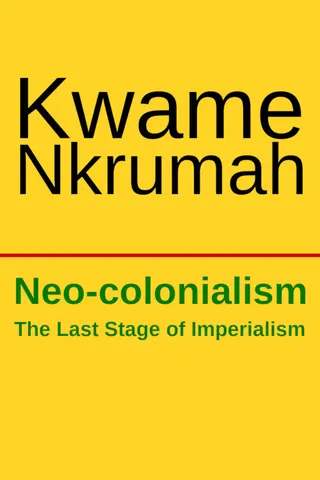
Imperialism is the domination of weaker countries by stronger ones for the profit of the strong: through conquest and colonies in the age of empires, and through debt, trade, military bases, coups and finance once the colonies became independent. Lenin's 1916 pamphlet defined it as the monopoly stage of capitalism, when the great powers had divided the world between them; Kwame Nkrumah's 1965 Neocolonialism described its next stage, in which a state has all the outward trappings of sovereignty but its economy and policy are directed from outside.
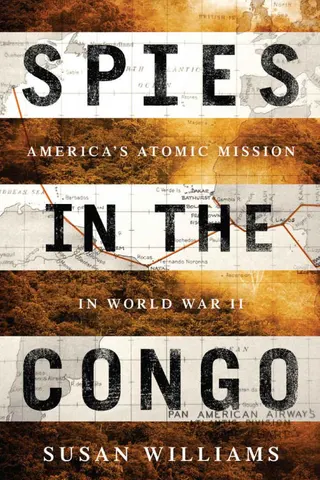
It matters to Africa in the most concrete ways. The uranium in the atomic bombs dropped on Hiroshima and Nagasaki came from the Shinkolobwe mine in Congo; Patrice Lumumba, who wanted Congo's wealth for the Congolese, was murdered in January 1961 with Belgian complicity and Western approval. The same questions of who owns the mines, who sets the terms of loans and whose army can intervene still shape the continent.
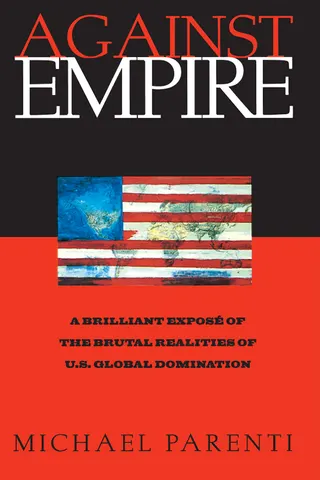
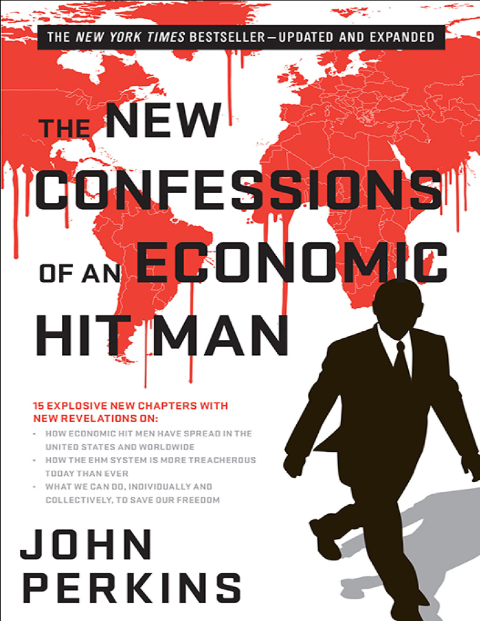
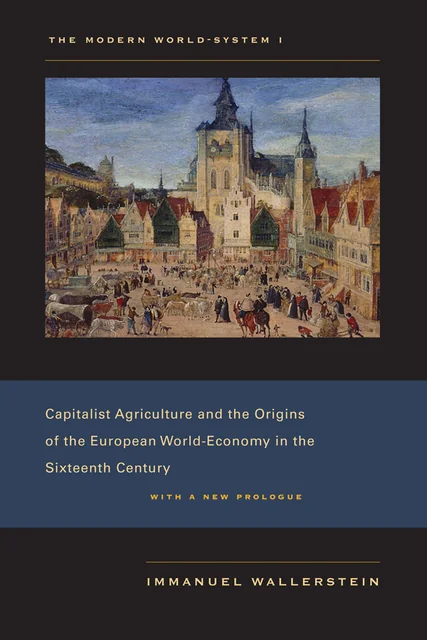
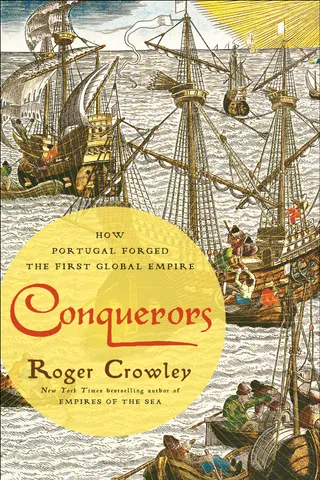
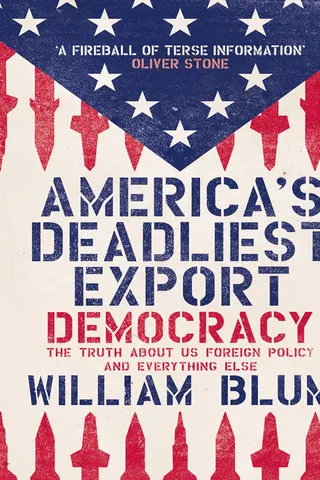
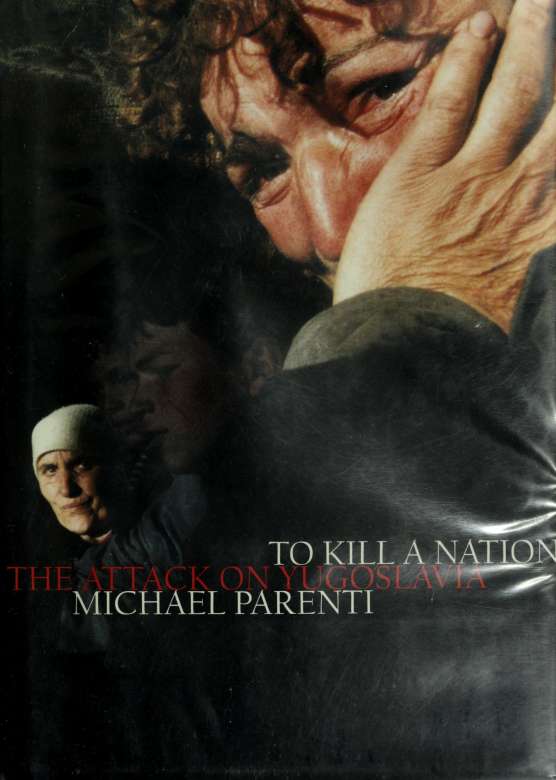
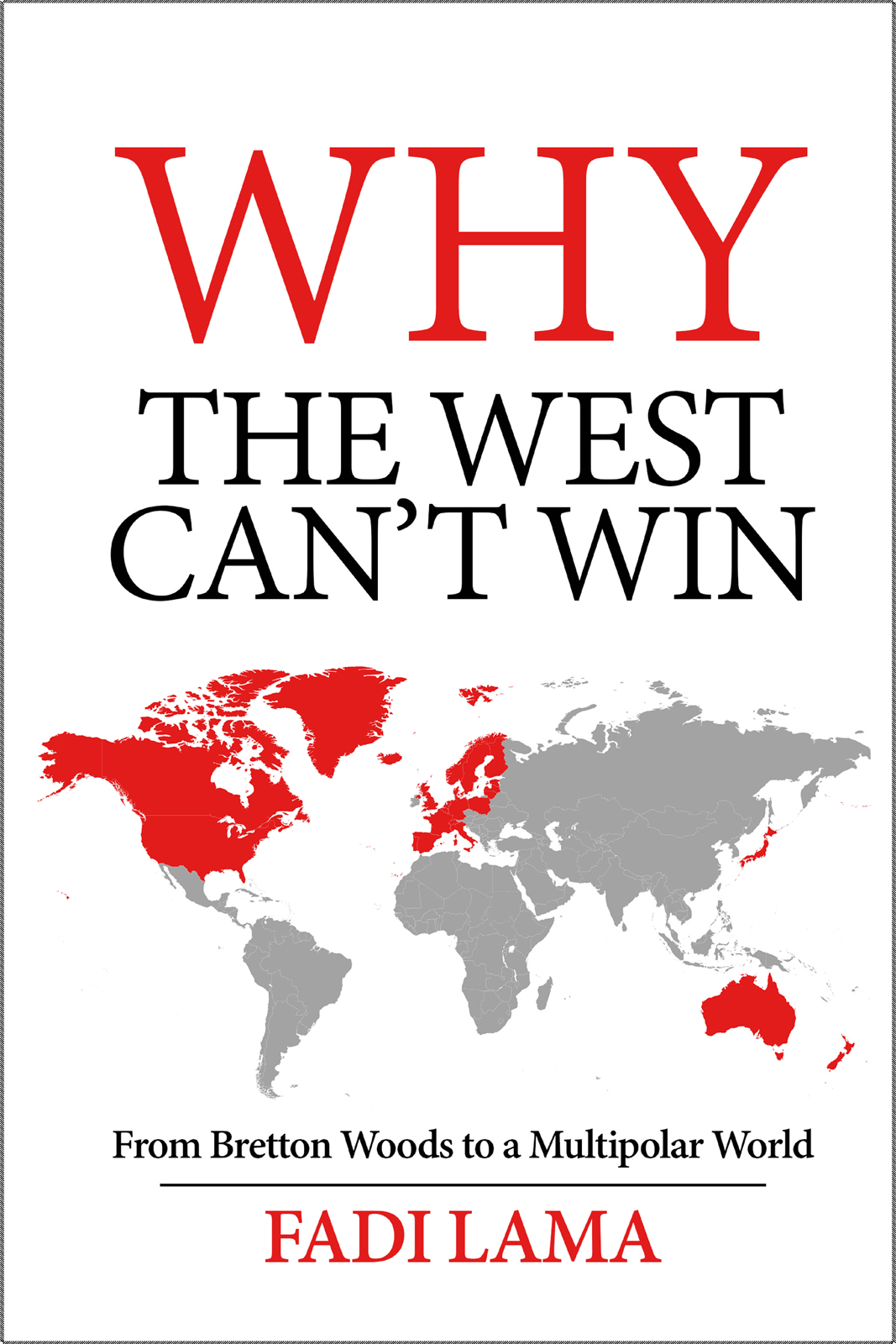
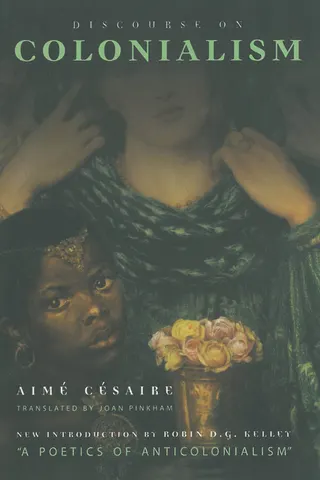
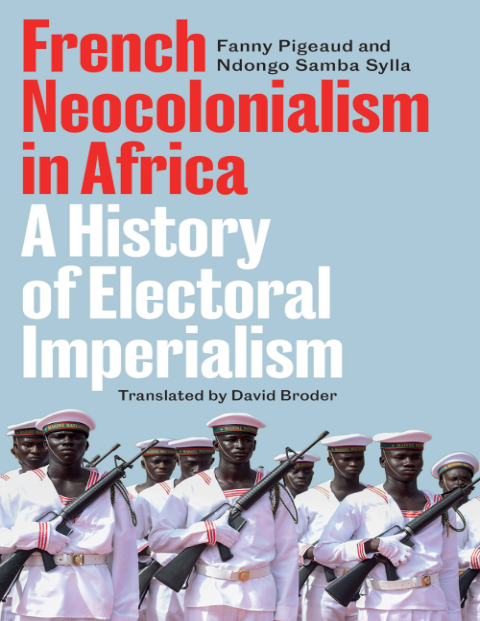
This reading path starts with the classic definitions by Lenin and Nkrumah, Michael Parenti's plain-spoken Against Empire and the confessions of a self-described economic hit man. The second stage explains the economics of empire, from Immanuel Wallerstein's world-system to how the dollar, global supply chains and low wages move wealth from South to North. The third turns to empire in Africa, from Portugal's first global empire to Congo's uranium, Lumumba's murder and the debt crisis. The last follows American power since 1945, from interventions and coups to the war on Yugoslavia and today's challenges to Western dominance.